.png)
 2 hours ago
3
2 hours ago
3
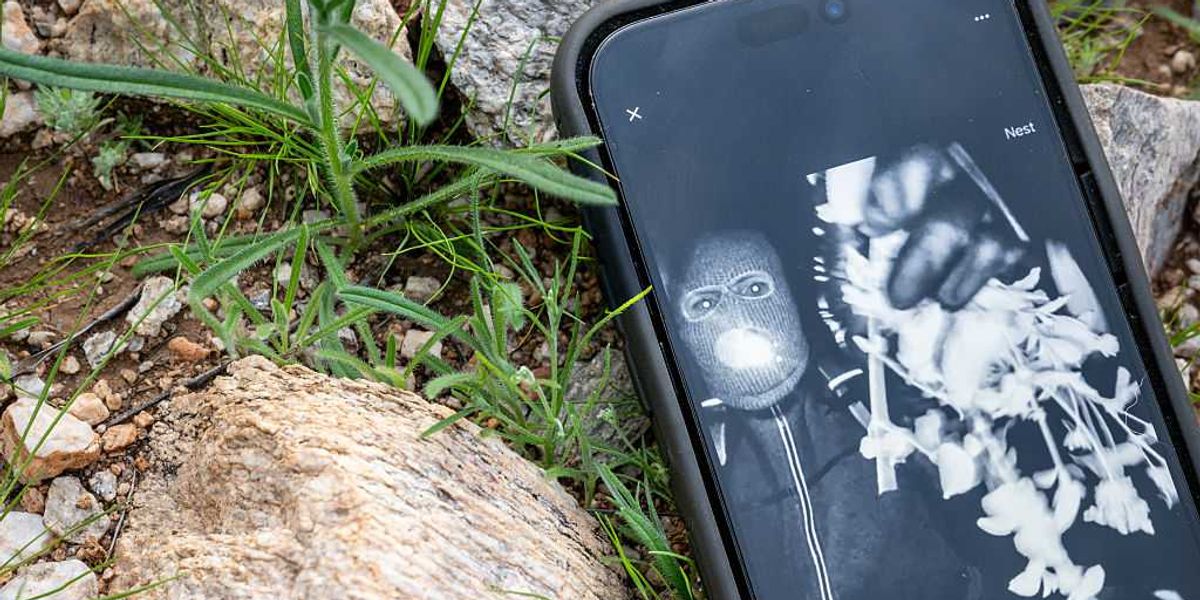
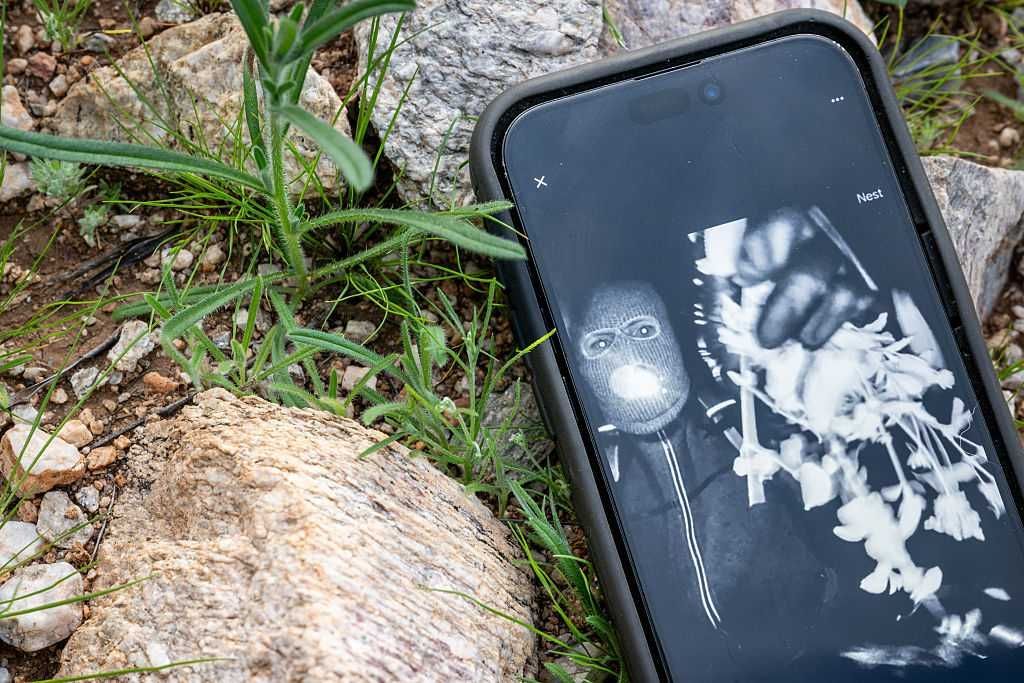
When the footage of Nancy Guthrie’s alleged kidnapper emerged online, it was met with optimism and confusion. On one hand, it was a much-needed lead in a case that has mostly run dry. On the other, the video wasn’t supposed to exist due to a number of circumstances. The fact that the FBI obtained and revealed the images immediately raised privacy concerns over Google’s recording and storage practices, some of which are valid, though the full truth is more complex.
The problem
On February 10, 2026, the FBI released the only known footage of Nancy Guthrie’s suspected kidnapper — a person wearing a balaclava mask, heavy gloves, a jacket and pants, and a backpack.
The admission that the FBI procured cloud-saved footage from an account with no cloud backup subscription raised red flags.
What makes the existence of the footage so perplexing is that the kidnapper disconnected the Nest doorbell camera that captured these images. He also stole the camera from its mount, removing it from the scene and making it inaccessible to law enforcement. Adding insult to injury, Nancy Guthrie reportedly did not have a Google Home Premium (formerly Nest Aware) subscription. This service stores captured video footage in the cloud so that it can be accessed remotely via the Nest app.
With no physical camera and no cloud storage backup, the FBI had no viable route to obtain footage that could identify the suspect. However, after 10 days of working directly with Google, the FBI managed to extract a short video clip “recovered from residual data located in backend systems,” according to FBI Director Kash Patel.
While it’s great to have a lead in the Nancy Guthrie case, the admission that the FBI procured cloud-saved footage from an account with no cloud backup subscription raised red flags throughout social media, with some jumping to the reasonable conclusion that Google stores video footage without users’ knowledge or consent, making it accessible to third parties and law enforcement. If true, this is a huge violation of privacy on Google’s part, and the public deserves a proper answer outside Kash Patel’s vague explanation.
Well, as it turns out, there is a reasonable explanation for everything, and it is even protected under Google Nest’s terms of service. Here’s what we think happened and why it’s actually a good thing that the footage was available.
RELATED: FBI releases terrifying video of masked and allegedly armed individual in Guthrie case
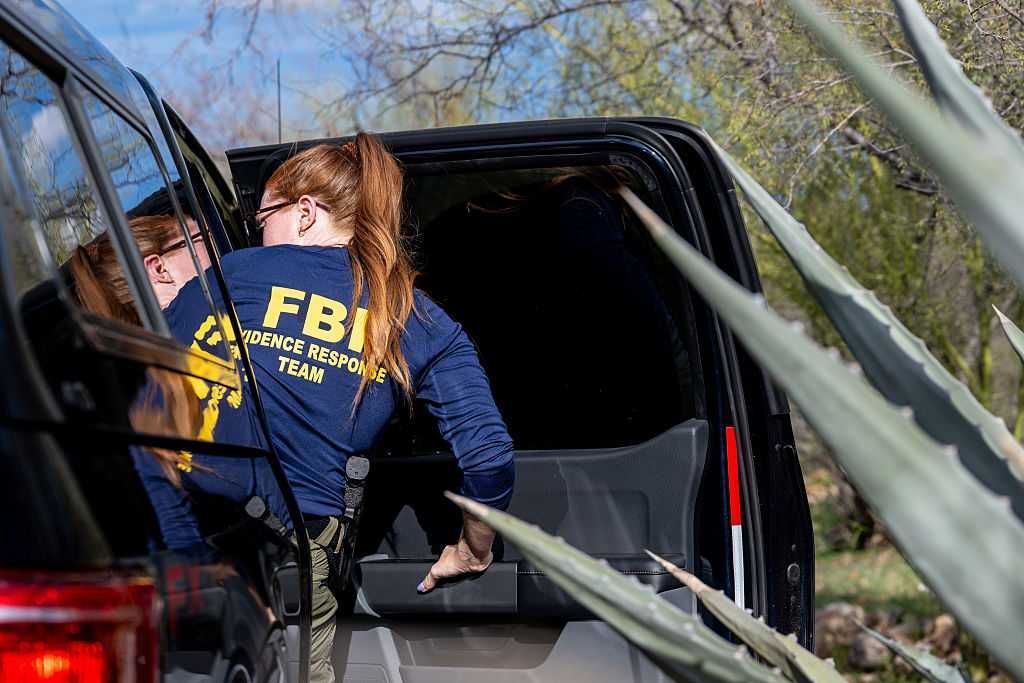 Photo by Brandon Bell/Getty Images
The explanation
While most modern Nest cameras don’t come with big onboard SD cards or hard drives, they do feature limited onboard storage — aka “local cache” — that can save up to three hours of event video history. At the same time, this same video history is sent to Google’s servers for temporary storage, regardless of whether or not the user has an active Google Home Premium account.
“Why?” you might ask? “Isn’t that an illegal invasion of privacy?”
No, actually. According to Nest’s terms of service, Google processes video data on its servers to “provide the Nest Cam features and services that you’ve requested.” These features include livestreaming, which is accessible when a user opens the Nest app to check the live feed on one of the cameras. It also enables three-hour event history that users can search to find important motion events, like a creepy stalker removing your doorbell camera from the wall.
The residual data that the FBI gathered from Google was likely included in the three-hour event history that was saved on the device and transmitted to Google’s servers for safekeeping.
The big takeaway is that all users agree to send their footage to Google when they install and use a Google Nest product. It is part of Nest’s feature set, and it is completely within Google’s rights to share this information with the FBI for life-threatening cases, the same way the company would share your Google Drive files with law enforcement if they were implicated in a criminal case.
Nest’s privacy faux pas is actually a good thing
The ironic part in this entire story is that the suspect himself is the reason the footage exists. For users who don’t have a Google Home Premium subscription, the three-hour event history saved directly to Nest cameras and Google servers is temporary. It is designed to be overwritten as the camera continues to run and capture new motion events.
That didn’t happen in this case, however. Why? Because the suspect disabled the camera and removed it from the wall, thus stopping it from collecting more recordings and overwriting the evidence that he was ever there. If he had simply left the camera running, the last footage available would have shown the police searching the grounds of Nancy’s home instead of himself. It was the ignorance of the suspect, and the suspect alone, that froze the three-hour window on the images of his face, delivering a devastating blow to his covert operation.
The kidnapper essentially outed himself to the world.
Google is not completely innocent
While the suspect’s ill-fated actions may be the seminal piece of evidence needed to reveal his identity, Google isn’t off the hook entirely here. Yes, Nest’s terms of service imply that Google may process captured video data on its servers, but it’s not explicitly clear that videos are sent off to the cloud in a manner that makes them obtainable from Google’s servers. This means that practically anyone’s footage captured in the most recent three-hour window is potentially accessible by law enforcement. This isn’t something that should be possible, even for cases involving the FBI.
The privacy concerns that have spread throughout social media are completely valid, and Google deserves all the criticism for it. Just because this time the extracted footage may be helpful in a critical case, that is no excuse for the loophole in Google’s system that made it possible in the first place.













 English (US)