.png)
 5 hours ago
3
5 hours ago
3

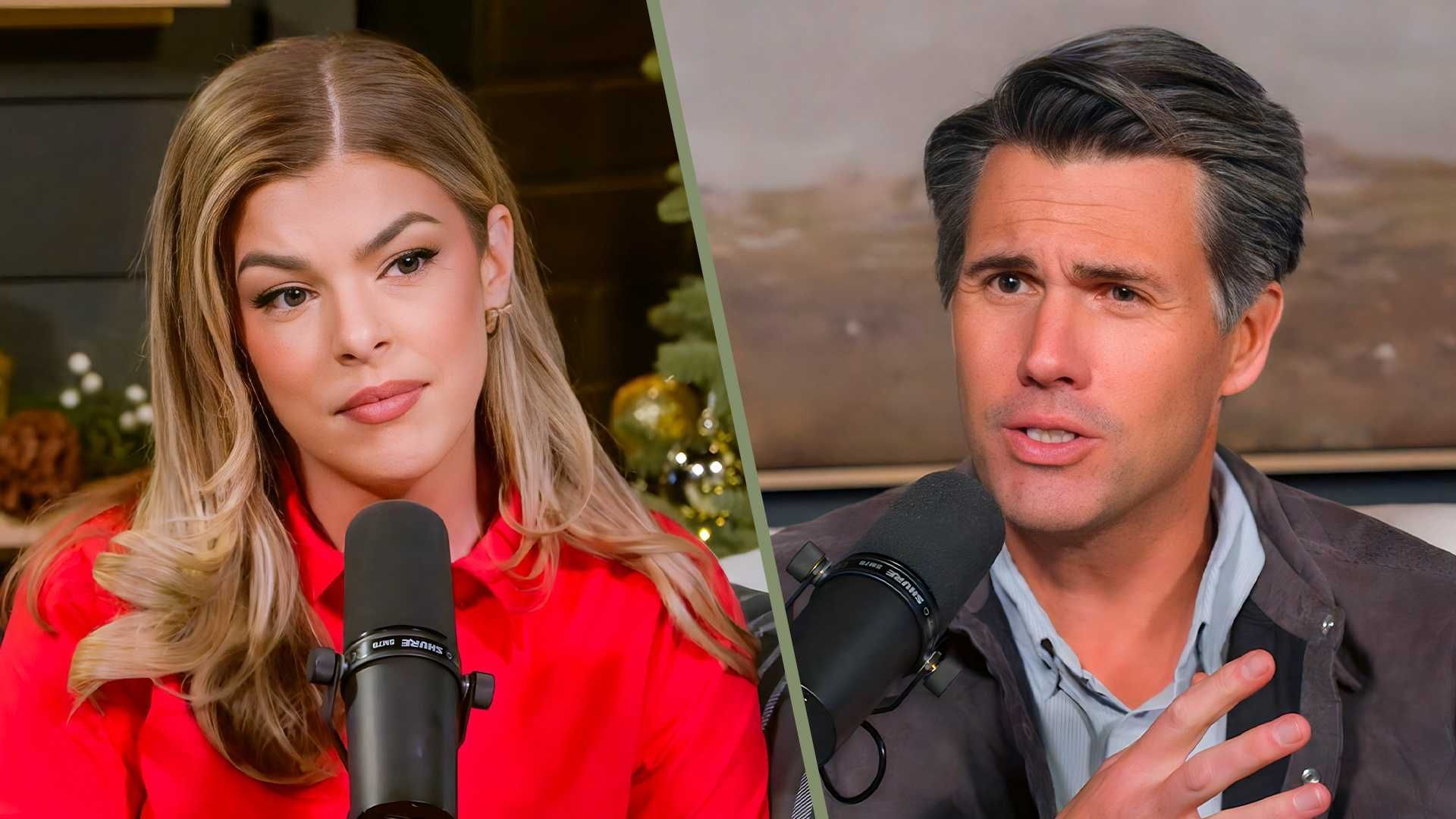
When NewsNation reporter Leland Vittert was diagnosed with autism as a child, his father did not treat it as a disability but rather a tool to be sharpened — and Vittert believes this was a huge factor when it came to finding success as an adult.
And while Vittert credits his upbringing for his ability to overcome adversity, it was his college experience that led him to realize he needed to change, not the world.
“I think college was the first time I started realizing that I needed to change, right? Because my dad spent, you know, all those nights that I was so upset saying, ‘Look, when you get older, the same qualities that are making you ostracized and bullied and having all these issues are the qualities that’s going to make you successful later in life,’” Vittert tells Stuckey.
“He was correct in many ways. He did not tell me in eighth grade that an eighth grade middle school classroom is great training for a Washington newsroom, which would later turn out to be very true. Still is,” he continues.
His dad often told him a story about being blackballed from all the fraternities while he was in college.
“He never got a bid at any one of the fraternities that was on campus. And it was a way of sort of explaining to me, right, that he understood the isolation. He understood what I was going through. And the same thing happened to me,” Vittert tells Stuckey.
Vittert was told that he wasn’t getting a bid and called his dad that night.
“It’s snowing at Northwestern, bitterly cold. Tears are freezing on my face. And I called my dad. I said, 'I’m just like you.' And then I said to dad, I said, ‘I need to understand that it may not just be everybody else. I’m going to have to change.’ And that really became the college experience,” he explains.
“To me, going to college wasn’t really about learning economics, which I majored in, or journalism, which journalism school is pretty useless. But it was about learning as a person and trying to put all of those lessons that my dad taught me into effect,” he continues.
Vittert found that with hard work, he was able to channel who he was into what he wanted to be — and he found that journalism was one of those industries “that just yield to hard work.”
“If you just work hard and outwork everybody, that is of enormous value in journalism,” he says.
Want more from Allie Beth Stuckey?
To enjoy more of Allie’s upbeat and in-depth coverage of culture, news, and theology from a Christian, conservative perspective, subscribe to BlazeTV — the largest multi-platform network of voices who love America, defend the Constitution, and live the American dream.














 English (US)