.png)
 2 hours ago
2
2 hours ago
2

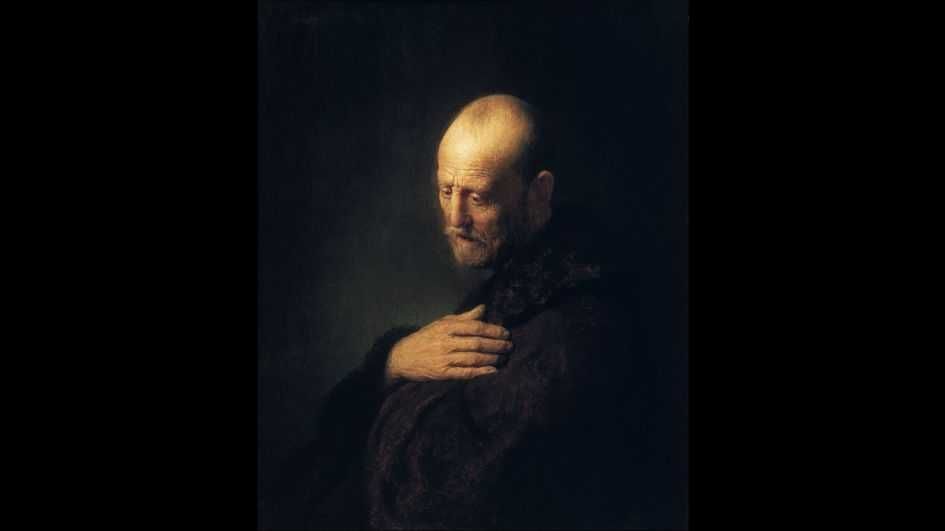
I remember the night my legs gave out.
I woke up to my sister standing in my doorway. She was scared. Our parents were arguing behind a closed bedroom door, voices raised, something different in the tone this time. We walked down the hallway together and knocked.
Through recovery and faith, I encountered Jesus not as religion but as relationship.
When the door opened, my father was standing there with a loaded gun pressed to his head.
My legs went numb. I collapsed onto the floor.
Long night's journey
It wasn’t an isolated moment.
Our home was marked by ongoing conflict and instability, the kind that teaches you early how to stay alert, how to read a room, and how to survive without ever really feeling safe.
I didn’t have words for what I had just seen. I only knew something wasn’t right in a way I couldn’t fix and that whatever I thought “normal” was, it wasn’t this.
That kind of moment doesn’t always explode your life right away. Sometimes it just sits there, quiet and unprocessed, and follows you.
It followed me. It bled into my personal and romantic relationships and ultimately skewed my view of the world and of myself. I learned to survive rather than connect — to perform rather than belong. I struggled to understand friendship, trust, and emotional safety. And over time, resentment toward my parents, especially my father, became part of my identity.
Seeking 'normal'
As I got older, that disconnect showed up everywhere. I didn’t feel like I fit in. I struggled to form real friendships. I was made fun of just for being myself, and after a while, you start to believe there’s something wrong with you. I didn’t know what the problem was. I just knew I felt it.
So when drugs and alcohol showed up, they didn’t feel like destruction. They felt like a solution. They quieted something I couldn’t explain. They made me feel normal, or at least closer to the version of myself I thought I was supposed to be.
That’s the trap, because it works — at first. What I didn’t understand was that I wasn’t fixing anything. I was covering something I didn’t want to look at.
Later, when things got worse, it was labeled a "mental health" issue.
My father struggled with mental illness, and for many years I wrestled with my own diagnoses, some of which, in hindsight, did not fully capture what was truly happening beneath the surface.
I was prescribed medical marijuana. But instead of helping, it began triggering severe adverse reactions, including escalating instability, mania, and psychosis that distorted my judgment and sense of reality.
RELATED: Camp Hope offers Christ-centered healing to America’s veterans
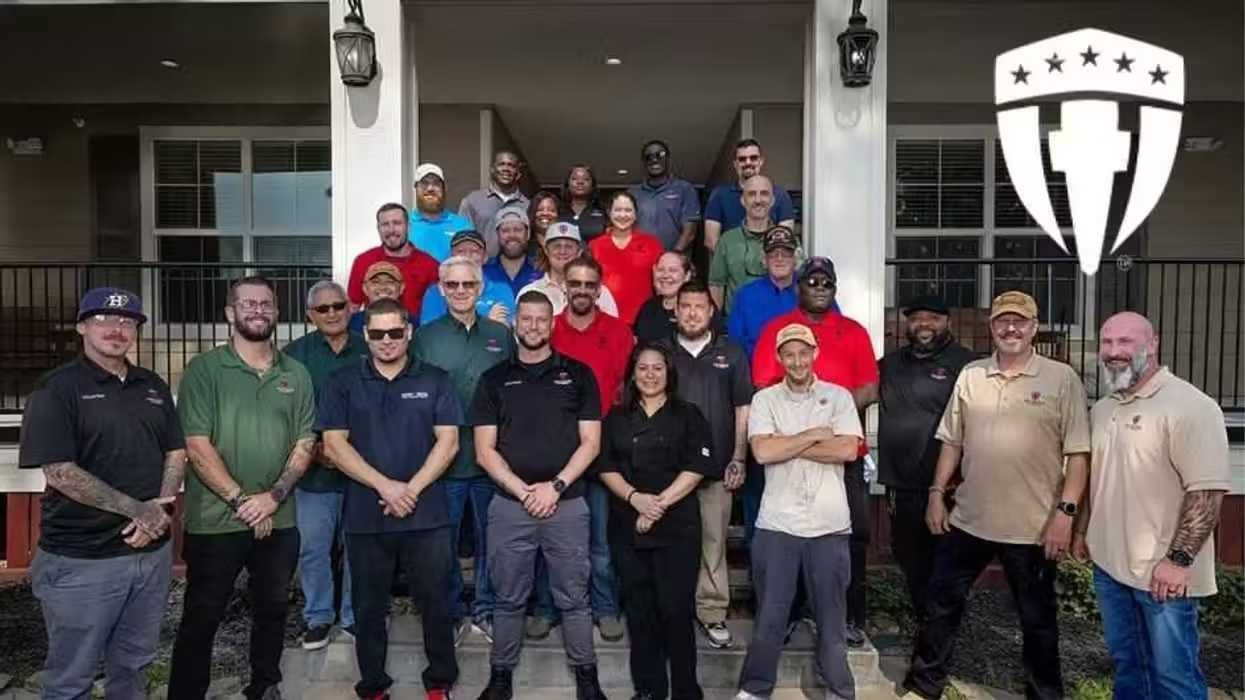 ptsdusa.org
Not broken
Looking back now, I don’t believe there was something fundamentally broken in me. I believe there was something unaddressed. There’s a difference.
I kept looking for something to fix the symptoms, but nothing was touching the root. And that only works for so long.
Eventually, everything catches up. It did for me.
Addiction did not destroy my life overnight. It unfolded through cycles of defiance, denial, and relapse. Each time I tried to regain control on my own terms, I fell deeper into chaos.
It culminated in a destructive spiral that led me to a reckless and disorienting bender in Atlantic City. The consequences I now faced were legal. There was no talking my way out of this or pretending it didn't exist. I had reached a point where I could no longer outrun the reality of what my life had become.
Brought to my knees
In hindsight, I believe God had to bring me to my knees.
The illusion of control was gone. I finally realized there was no way I was getting out of this under my own power. And that's when change finally became possible.
It became possible because faith became real — not something I grew up around, not something I understood intellectually, but something lived.
Scripture says, “If anyone is in Christ, he is a new creation. The old has passed away; behold, the new has come.” And also, “You shall be called by a new name.”
I used to hear that and think it sounded nice. Now I understand it.
Redeemed and reconciled
Because my identity did change — not overnight, not perfectly, but fundamentally. I was no longer defined by what I had been through or how I had responded to it. Through recovery and faith, I encountered Jesus not as religion but as relationship. Through prayer, God revealed to me that I was not meant to be ashamed of my past but to embrace it, bring it into the light, and allow it to help others.
One of the most profound outcomes has been reconciliation with my father. The man I once viewed as the source of my wounds became part of a redemption story marked by grace, forgiveness, and healing.
Today, I live a life that is sober and grounded in faith. I’ve worked the Twelve Steps and now help guide others through the process. I am actively involved with Chain Breakers and bringing Christ-centered recovery to those who need it.
If there is one message I hope to share, it is that unhealed childhood trauma, misunderstood mental health struggles, and substance abuse are deeply interconnected. Healing requires both spiritual surrender and honest conversations about mental health.
I share this with humility, knowing I too remain a work in progress. It's my hope that the more we bring stories like mine into the light, the less power shame and isolation will have over those who are still struggling.






 English (US)