.png)
 1 hour ago
3
1 hour ago
3


Over the past months or even years, you have tried to be more conscious of what you’re eating. You want to improve your physical health and maybe even your mental clarity. Your first step might have been cutting certain fast-food favorites from your diet, and you probably have no plans to break that streak, but you realize that you still have been far too indiscriminate in what you have put into your body from the grocery store, too.
Why do you still always feel sluggish and inflamed? What else can you do besides cutting out some of the most obviously unhealthy foods at restaurants and grocery stores?
You can start to answer that question when you begin to intentionally read the labels of the food you have been buying. But in the beginning, this raises more questions than it answers.
Starting the journey toward healthier eating and living may look simple, but there are a lot of problems you will need to address. This journey doesn’t begin by simply entering the “health aisle” at the grocery store — and your “healthy grocery store” is no exception.
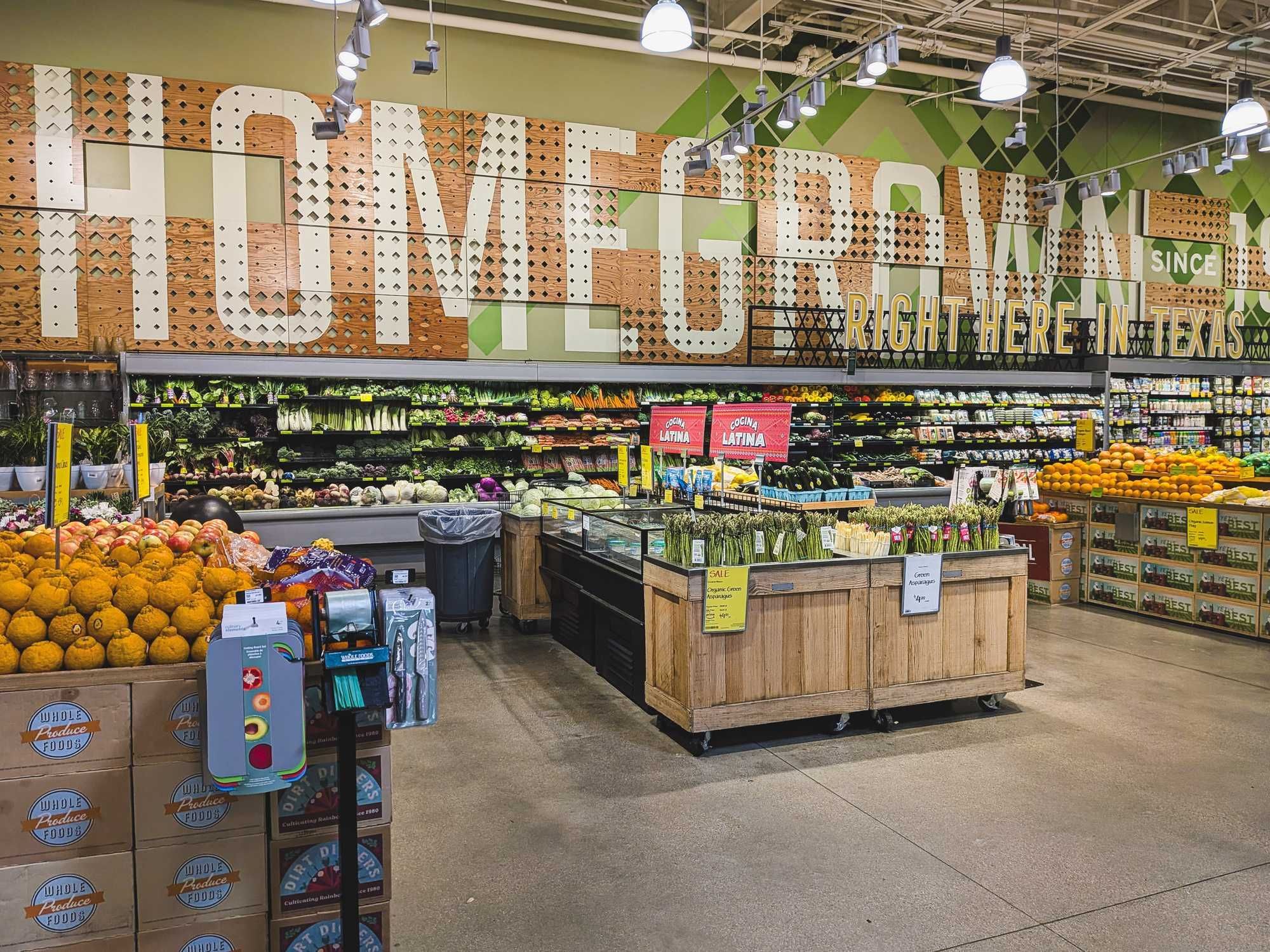 Cooper Williamson
By the way, shouldn’t all of the aisles at the grocery store be the “healthy aisle”?
Maybe that’s a job for MAHA advocates in the long run, but for now, one has to be able to discern for oneself what the truly healthy — and trustworthy — brands are.
With some help from many health-focused resources, we have identified several brands that you can consider generally safer to consume, compared to many others sitting on the same shelves. But first, it is necessary to briefly explain the problems these brands are trying to solve.
The problems
Eating clean is far more complicated than you would think. Our food system tends to rely on cost-cutting ingredients and methods that can be linked to health problems. These ingredients include inflammatory seed oils, which tend to be less expensive and have a much higher smoke point than more natural options like butter or beef tallow. Certain preservatives and texturizing agents can also contribute to negative health effects.
That’s why so much of our food is considered “junk food” — there’s a bunch of unpronounceable junk in it!
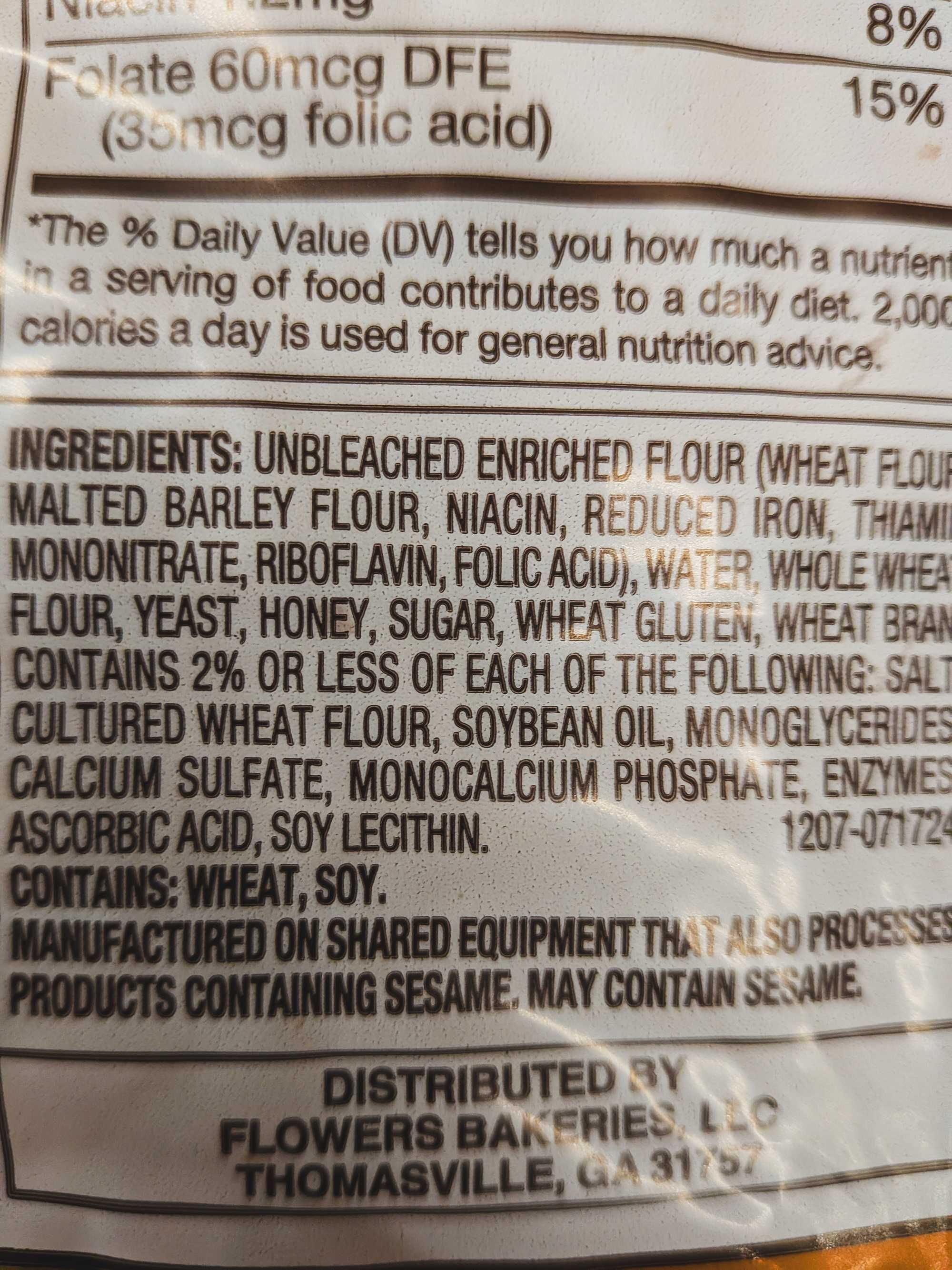 Pick up almost any brand of bread, for example, and you will find a much longer list of ingredients than flour, water, yeast, and salt. Cooper Williamson
Companies have realized there is a growing market for healthy food — but that doesn’t mean all health brands are created equal. That just means the marketing on the front of the package will look like it.
In many cases, brands will plaster the front of their packaging with “health-coded” messages boasting about what is not used in the food, including, for example, being gluten-free, non-GMO, having no artificial flavors, or made with real ____.
A brand of chips, for example, could market itself as a healthy brand by claiming that the chips are “non-GMO, no preservatives, and no seed oils.” Sounds pretty healthy, right? But the actual ingredients, when you read the small-print ingredients label, are barely improved alternatives, like “organic palm olein oil.”
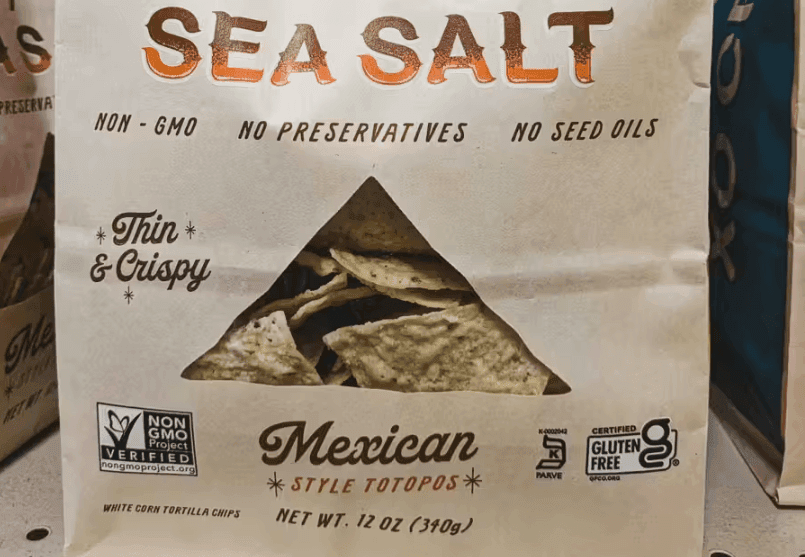 Cooper Williamson
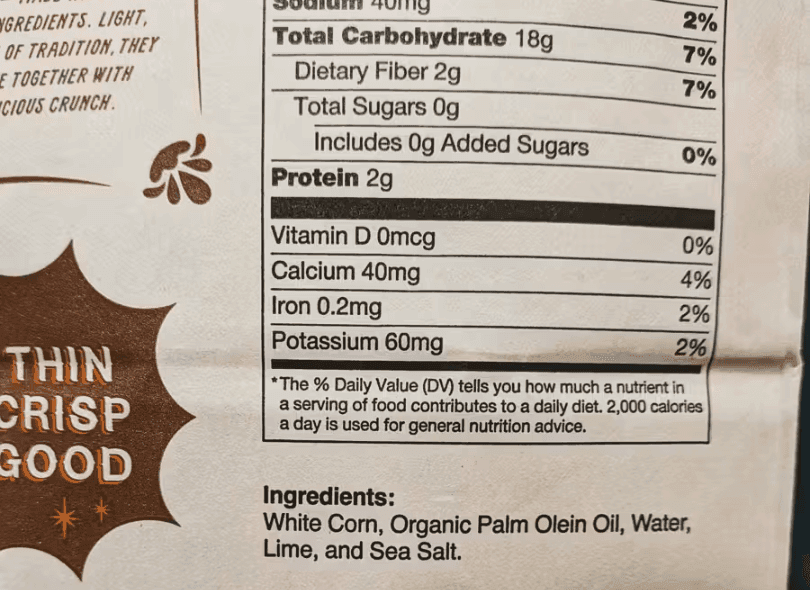 Cooper Williamson
You will also want to watch out for ingredient labels that simply list “vegetable oil,” because that could mean many different things—or a mysterious combination of several things. Not very transparent!
You will have to dig deeper still, even if you’re at a “healthy” grocery store.
And finally, there’s the issue of cost. Healthy food is more expensive. There is less demand for it — if you are reading this article and are ready to make some healthy changes, you’re part of the solution to this piece of the puzzle. And higher-quality ingredients obviously cost more.
Your health companions
If you have made it this far, you’re convinced that it is time to make a change. However, take a look at any food package in your pantry, and you’ll quickly be overwhelmed by the number of foreign, gigantic words in the ingredients section.
What are the differences between all the cooking oils? What are monoglycerides, granulated sugar, or monosodium glutamate? Does anyone even know what it takes to make “natural” and “artificial” flavors?
And who has time to read any of that and then research all of them for every item you buy at the grocery store?
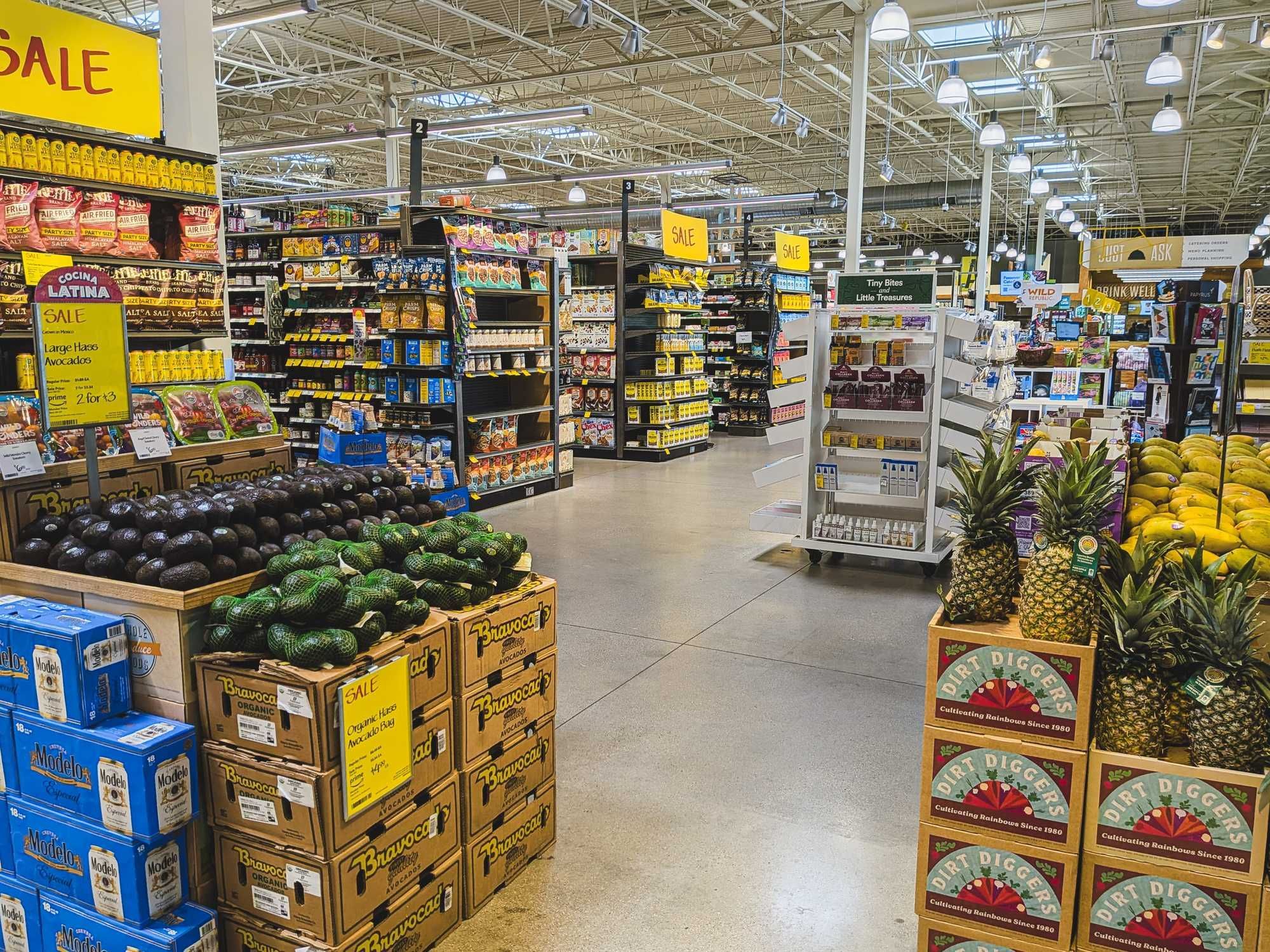 Cooper Williamson
Luckily, there are several apps that have done the heavy lifting for you, cataloging and quickly showing you all of the ingredients and other facts about the groceries you’re considering. Combining a number of these scanner apps will give you a better sense of whether you can trust the brand.
Briefly, here are the three apps that we kept coming back to, both for their ease of use and the usefulness of the information they provided:
- Bobby Approved is a very popular option for scanning groceries. The simple interface enables a snap decision in the form of a thumbs-up or thumbs-down. The app also highlights the problematic ingredients and gives an explanation for why an item is not “Bobby Approved.” The app is particularly focused on the sourcing of products and seed oils. It has a 4.9-star rating from 138,000 users on the App Store and a 4.7-star rating from 16.8K users on Google Play as of this writing.
- Yuka is another very popular option for scanning foods as well as cosmetics. The app experience is similar to Bobby Approved, but it grades products on a more detailed scale, scoring them on a scale of 100. Yuka is helpful for diving deeper into the additives and the relative risk they pose to the human body. Yuka also has a feature that proposes healthier alternatives than the items you scan. It currently has a 4.8-star rating on the App Store from 89,000 users and a 4.7-star rating on Google Play from 178,000 users.
- Buy’r is very new on the scene but has proven to be very useful for highlighting ingredients as well as the source of the foods. Buy’r highlights brand ownership, since many brands pretend to be small businesses, when in reality they are owned by much larger corporations. While there is nothing inherently wrong with large corporations, this app brings transparency to the shopping experience and helps you to understand which labels are being sneaky with their packaging. Buy’r has a 4.9-star rating on the App Store from 576 users and a 4.6-star rating on Google Play from 944 users.
All three of these apps were used to compile the list below. Unlike some of the other competitors, these apps have free versions that are very usable. You can pay for expanded features, but it is not absolutely necessary for any of the apps listed above.
Using these apps was crucial for understanding the safety of the various products at the several grocery stores (at various price points) that were scoured in the preparation of this article.
Brands you can trust (more than most)
Here’s the best advice we can give you: Buy local. Even better: Get to know your producers.
The major benefit of buying local, besides the better chance of getting fresh, whole foods, is that the brands are less likely to need to use an obscene amount of preservatives, texturizing agents, emulsifiers, and artificial coloring.
The following list, however, recognizes that buying locally is not always possible due to cost, where you live, or any other reason. Some bigger brands at your grocery store have actually risen to the occasion and provide healthier options than your average big-name brands.
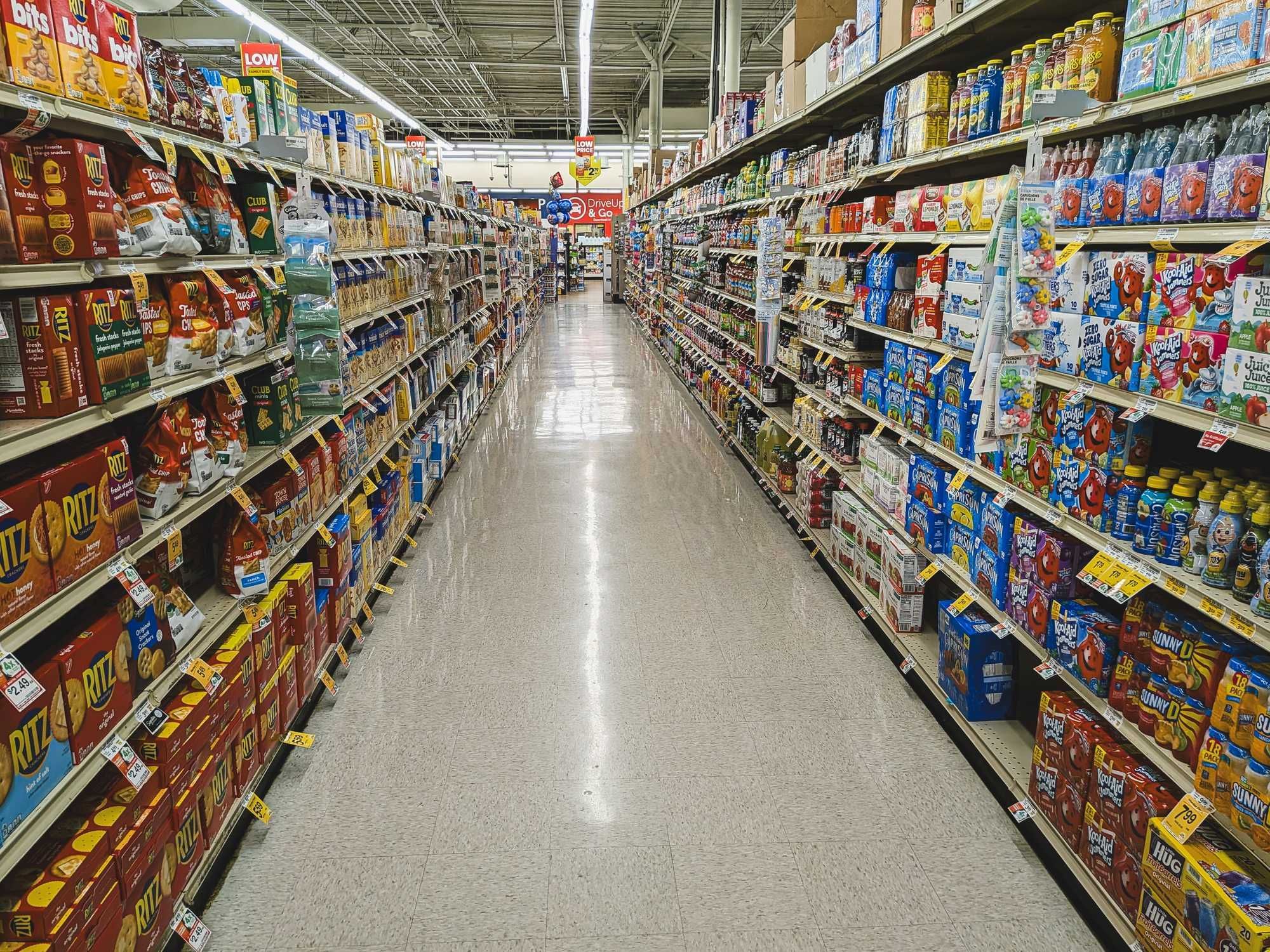 Cooper Williamson
Many of the following brands have many different products, especially store brands. It’s natural that different products use different ingredients, but the following brands are generally considered safe by the scanner apps and other health-focused resources. But it’s always best to check for yourself to make sure the standards remain high across different foods.
Given that constraint, each brand that can be considered trustworthy has been identified with one product in a particular category among household staples. We have given a brief description of the brand as well as some of the other foods that you can expect to find under the same label.
Half and half
Simply Nature is one of Aldi’s in-house brands that emphasizes organic and non-GMO products. Alongside the half and half, Simply Nature has been a provider of pantry staples and fresh foods since 2014. On its “food philosophy” page, Aldi says “we keep a close eye on the ingredients and materials that go into all our products to ensure they meet the highest standards for our commitment to quality, health, and safety." Aldi expresses its commitment to producing food that aligns with the highest standards of the USDA Organic seal and has opted to avoid using monosodium glutamate, certified synthetic colors, and bisphenol-A (a potentially harmful material found in food packaging).
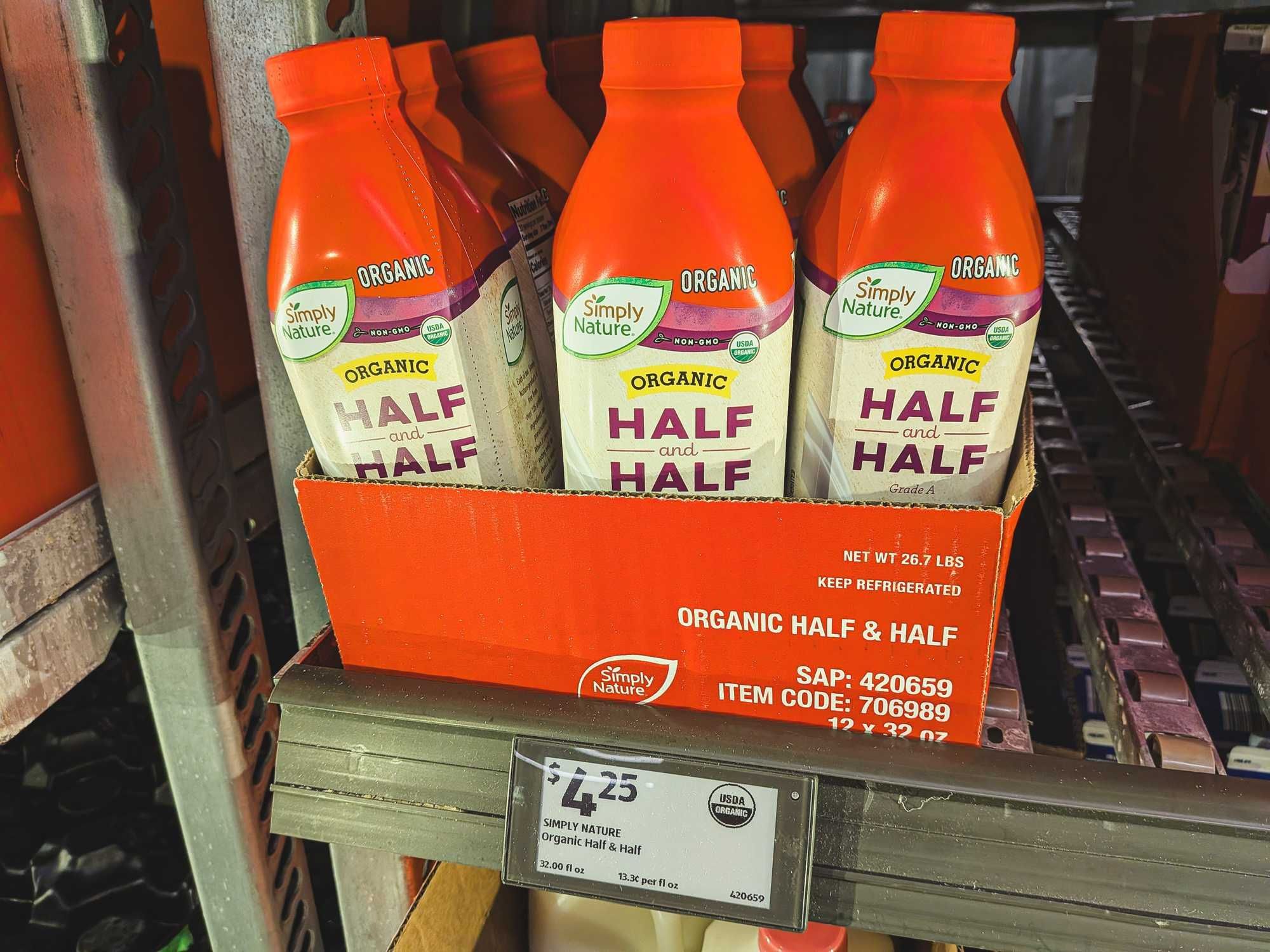 Cooper Williamson
You can buy Simply Nature half and half at Aldi for around $4.25.
Milk
365 by Whole Foods Market is similarly an in-house brand offering a vast array of pantry staples. Whole Foods boasts that it offers over 3,500 products under this brand label, which adheres to high standards and has a long list of over 550 banned ingredients. The brand says “we strive to respond by following emerging research and our customers’ expectations,” adding that it banned MSG in 1992, hydrogenated oils in 2003, and high-fructose corn syrup in 2011.
You can buy 365 milk at Whole Foods for $4.79 per gallon.
Yogurt
Maple Hill, founded in 2009, has been committed to producing the highest-quality dairy products on the market. The company's mission is “to bring healthy, organic, 100% grass-fed dairy products to families all over the United States,” even claiming to be the “original” company to try to meet these standards. Maple Hill explicitly says that its cows are only on the 100% grass diet, which the company says improved its cows’ health when it made the transition from grain supplements years ago. Alongside its Greek yogurt line, you can find Maple Hill milk, salted and unsalted butter, cream-on-top yogurt, and a few varieties of kefir.
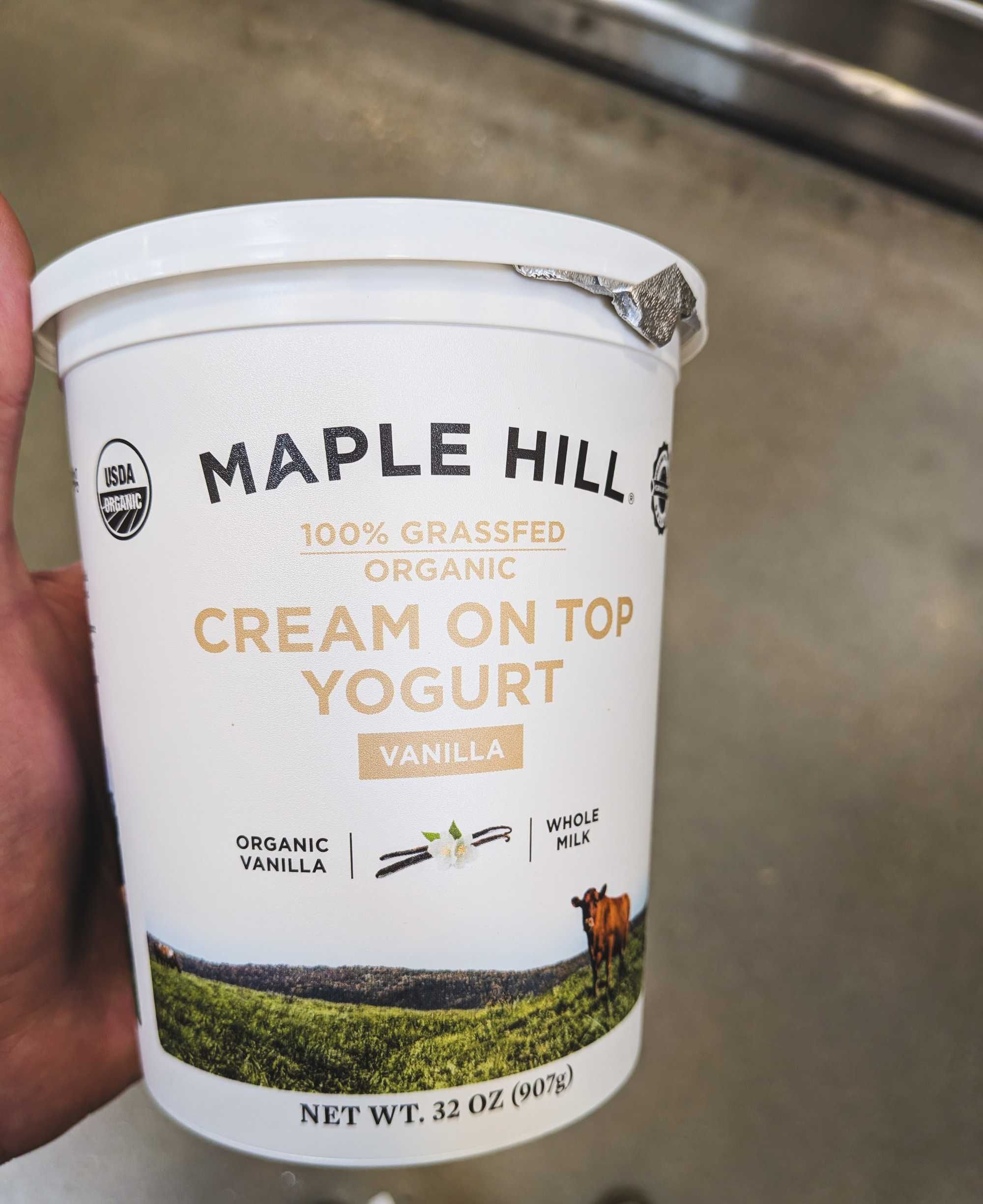 Cooper Williamson
You can buy a 32-ounce container of Maple Hill yogurt for $5.99 as a Whole Foods member or at the regular price of $7.49.
Butter
Kerrygold has become a well-known name for all things butter. Kerrygold’s products don’t stop at varieties of butter, though. The company also offers a selection of different cheeses, including cheddar, skellig, and blarney cheese. Owned by Ornua, the company says its products, including those sold in the U.S., are certified to Ireland’s “Grass Fed Dairy Standard,” meaning the cows are given a 95% or higher grass diet.
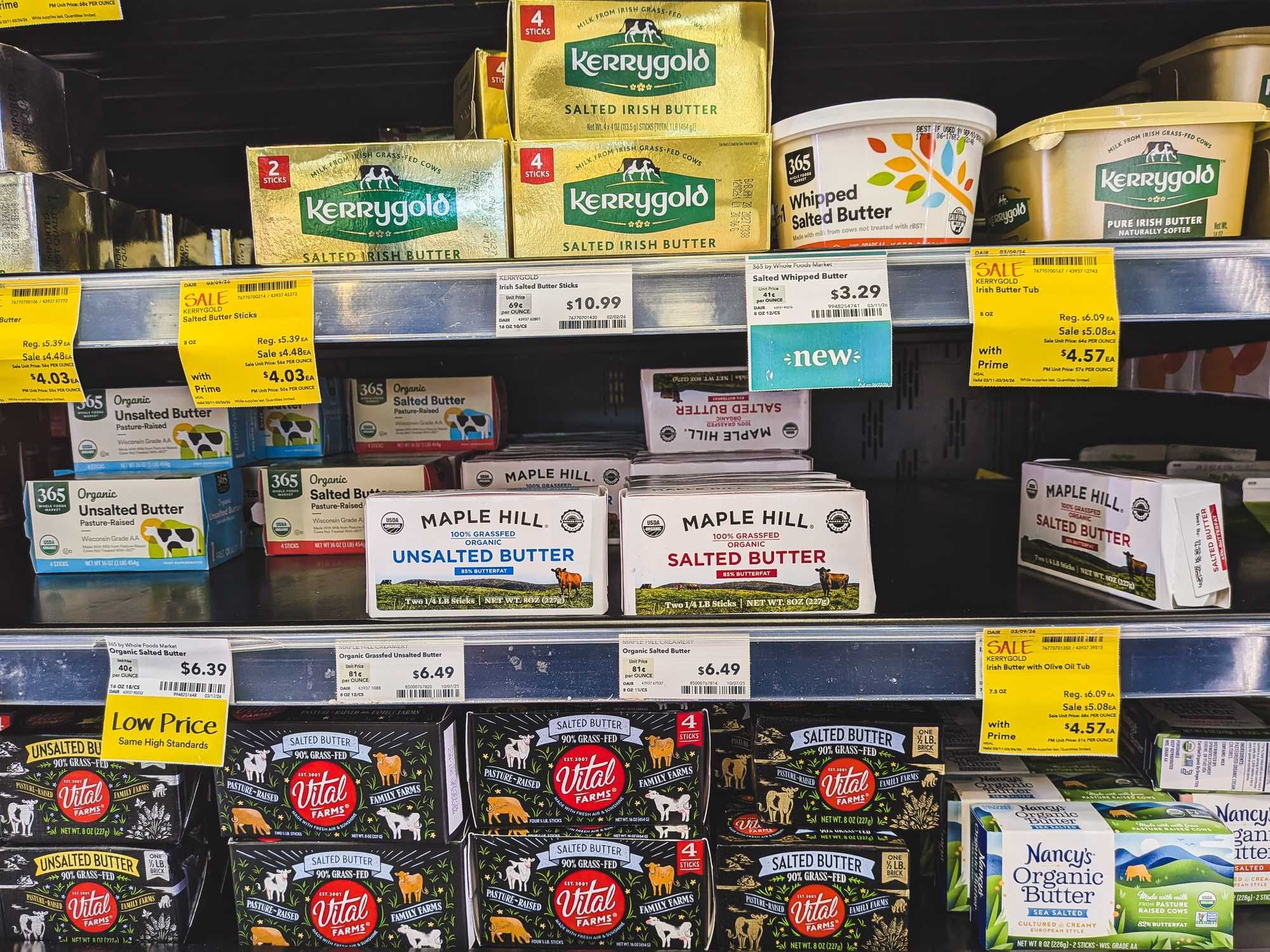
You can buy four sticks of Kerrygold butter at Whole Foods, for example, for $10.99.
Cheese
Organic Valley prides itself on not using GMOs, antibiotics, added growth hormones, pesticides prohibited under the USDA's National Organic Program, or artificial flavors or preservatives. Founded in 1988, Organic Valley offers a wide range of dairy products including milk, butter, cheese, cream, half and half, sour cream, cream cheese, cottage cheese, and eggs. You can find its products at Whole Foods, Walmart, Amazon and Amazon Fresh, Sprouts, and Kroger.
You can buy Organic Valley cheese slices at Whole Foods for $6.49.
Bacon
North Country Smokehouse boasts that “we don’t simply meet the standards, we exceed them.” The company is one of the last vertically integrated farm networks, meaning it controls the process “from feed to fork.” Proud to be USDA Organic, the company's meat can be found in many specialty grocery stores as well as Whole Foods and Target.
The key, according to Bobby Approved and other health apps, is to avoid bacon that has sugar or preservatives, specifically nitrites and nitrates.
A pack of North Country Smokehouse bacon costs $6.52 at Whole Foods. The Whole Foods Market option, also approved, costs a little more at $6.99.
Beef
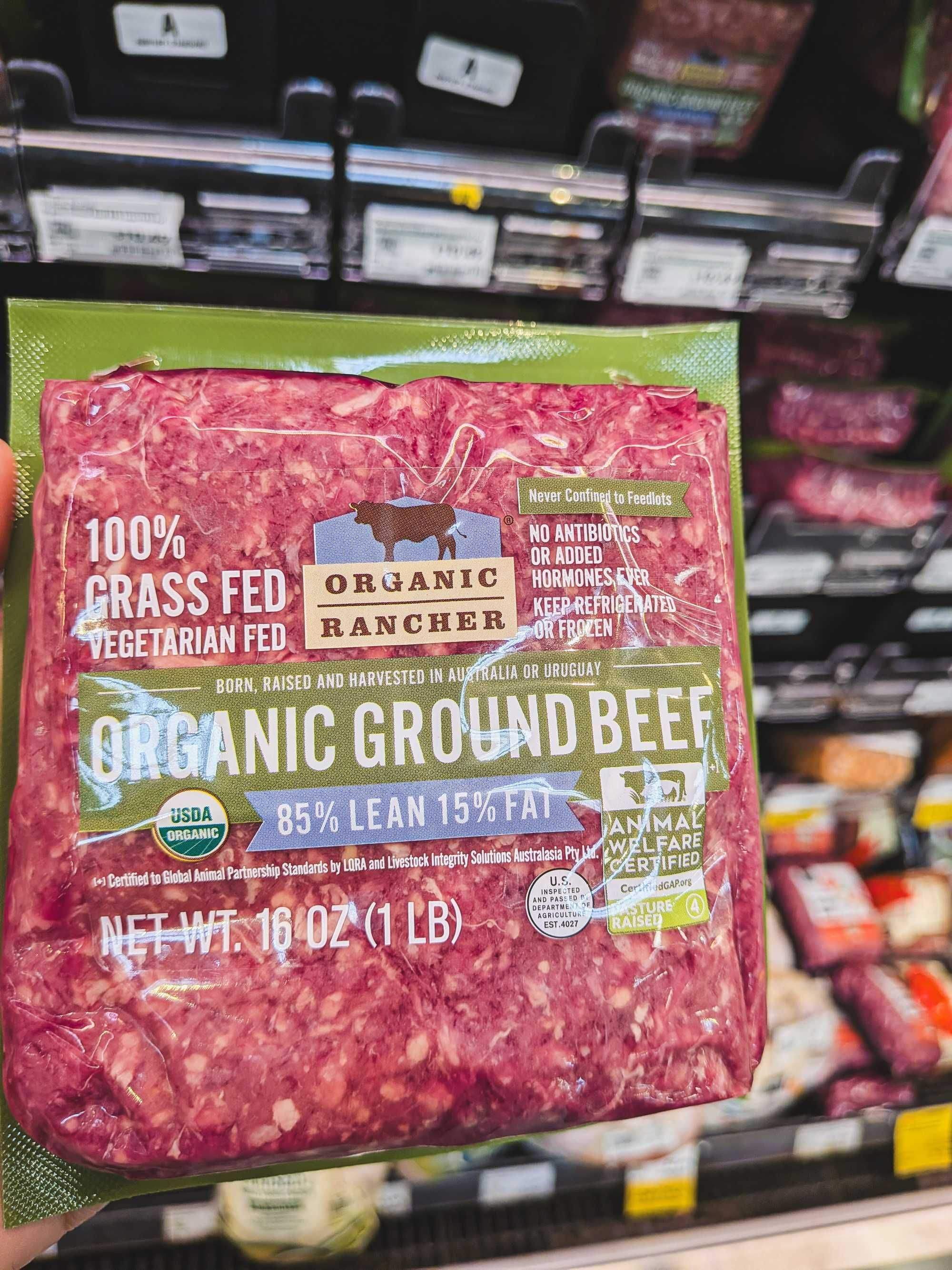
Exclusively available at Whole Foods, Organic Rancher is dedicated to treating the animals, the people, and the land well. The company promises you will enjoy the flavor of “organic, 100% grass fed and 100% grass finished, free range beef,” which is free from GMOs, antibiotics, added hormones, synthetic chemicals, and artificial ingredients. You can find several cuts of meat, ground beef, and the “popular” new meatballs.
 Cooper Williamson
You can buy Organic Rancher ground beef at Whole Foods for $10.49 per pound.
Chips
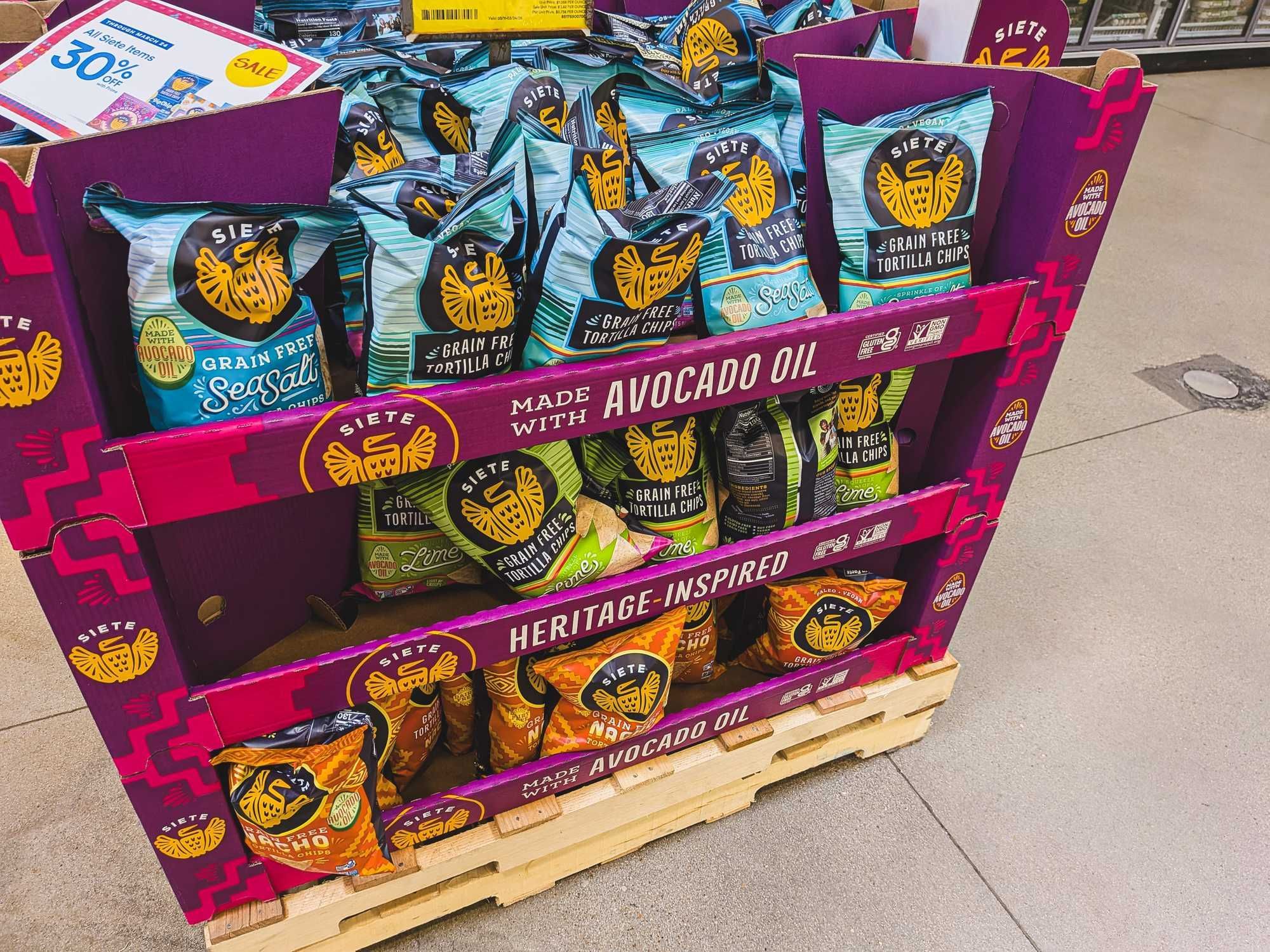
Siete Foods, and especially its chips, have become a popular, clean alternative for a chip with simple ingredients in a market full of seed oils and junky preservatives. Although it was acquired by PepsiCo at the beginning of last year, the PepsiCo CEO said the company is “dedicated to preserving its special attributes while making the brand more widely available and accessible on a broader scale.” Siete offers a variety of snacks, dips, sauces, and seasonings with simple ingredients across the board.
 Cooper Williamson
You can get a bag of Siete chips for $3.69 at Whole Foods, though they are available elsewhere as well.
Chips
Founded by brothers John and Mark Maggio in Boulder, Colorado, in 1994, the vision behind Boulder Canyon was to create a chip that was better for you. All these years later, the clean ingredients don’t lie: The company uses avocado oil rather than other seed or vegetable oils to cook the chips. Now owned by Utz Brands, Boulder Canyon remains one of the cleanest, simplest bags of chips on the market.
Though available at other grocery stores too, you can buy a bag of Boulder Canyon Chips for $4.49 at Whole Foods.
Snack bars
Epic Provisions, a meat-based snack-bar company, uses very clean ingredients in a wide selection of products, including the “perennial bestseller” bison bacon cranberry bar. Take your pick from a variety of beef, chicken, venison, and bison bars among other products like bone broth, pork rinds, animal fats, and snack strips, all from a company committed to leaving the land better than it found it through partnerships with regenerative farming initiatives.
Crackers
Crunchmaster prides itself on producing a variety of snack crackers with pronounceable, simple ingredients. The company says it believes a cracker “should come with bold flavor, better ingredients, and nothing to hide.” On its website, the company is very forthcoming about its ingredients, which are, almost without exception, whole foods like seeds, flour, and salt.
You can get a 20-ounce box of Crunchmaster crackers at Sam’s Club.
Oatmeal
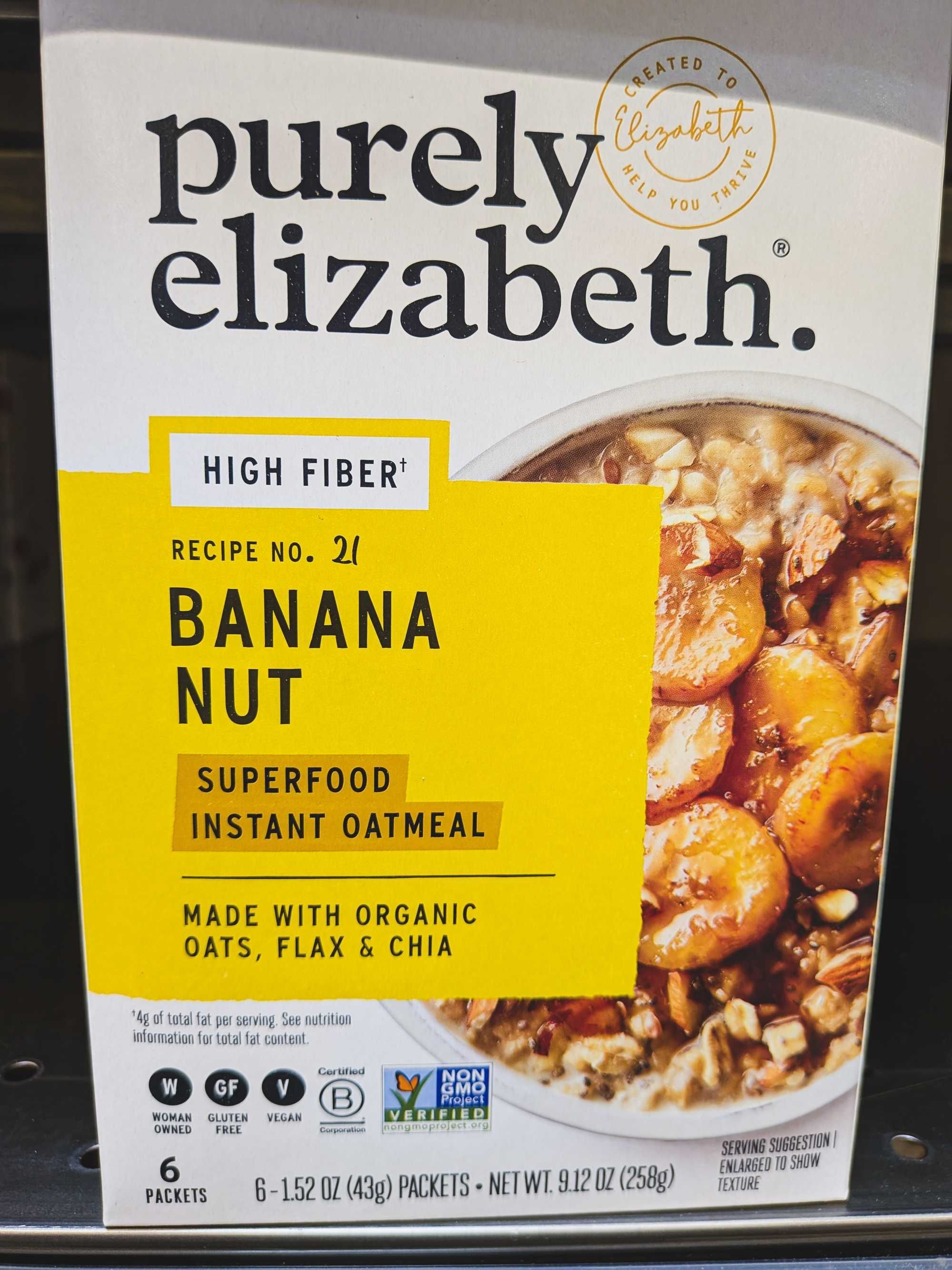
Started in 2009 and run by Elizabeth Stein, Purely Elizabeth has enjoyed massive success and growth over the last 17 years, However, the ingredients have remained simple and clean across the company's lines of granola, cereal, and oatmeal.
 Cooper Williamson
A box of Purely Elizabeth oatmeal costs $4.68 at Whole Foods.
Cooking oils
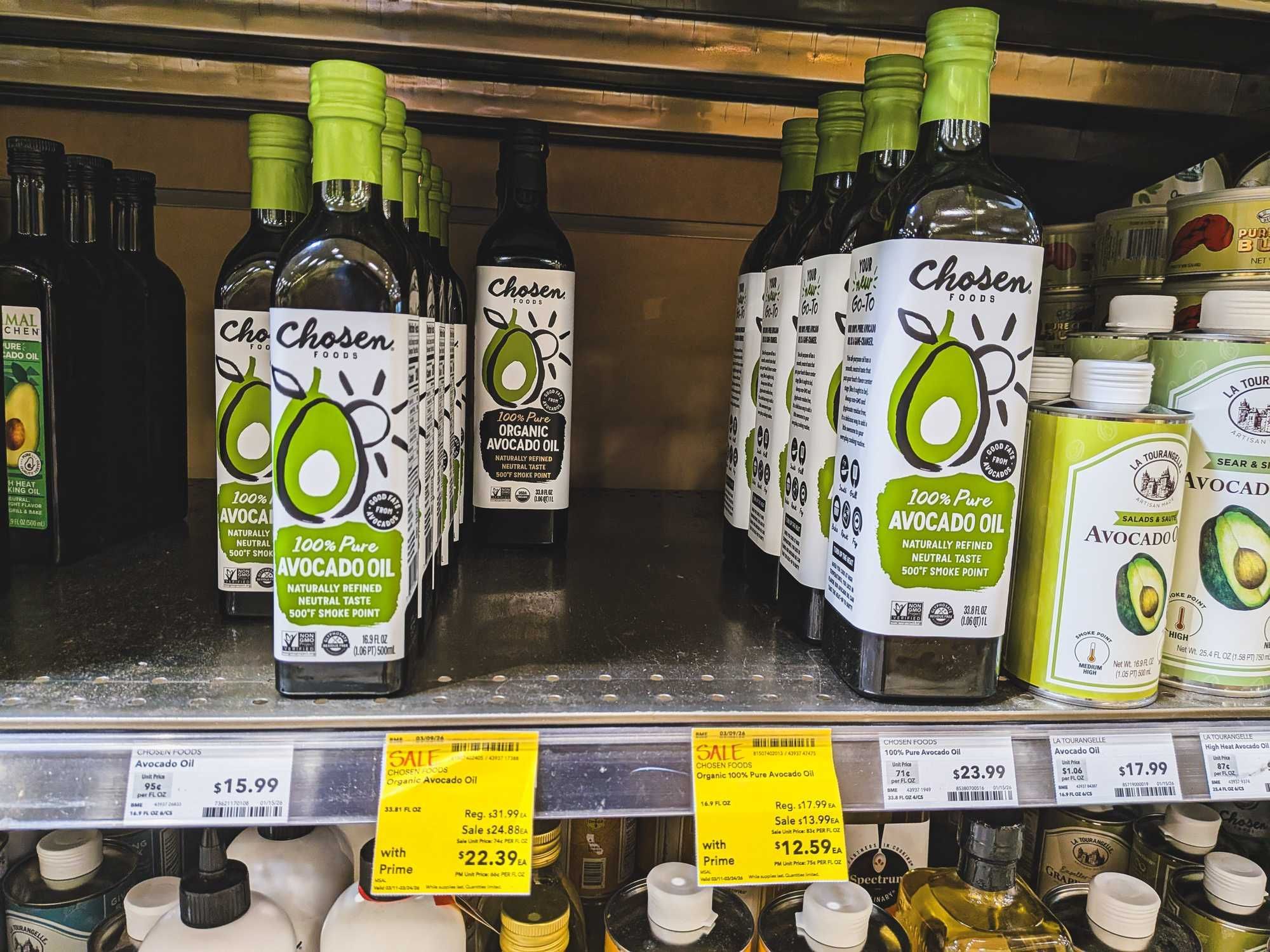
Chosen Foods is a well-regarded option for healthy avocado oil. The type of oil you use for cooking is crucial for your health, yet the vast majority of food on the shelves is cooked in foul options like cottonseed oil, grapeseed oil, corn oil, canola (rapeseed) oil, soybean oil, sunflower oil, or sesame oil, to name just a few. Avocado oil is a cleaner alternative to these oils, while it also retains a higher smoke point than butter. Alongside multiple avocado oil options, Chosen Foods offers a selection of dressings as well. The company says it is on a mission to make the world a better place, “replacing bad fats with the good fats of 100% Pure Avocado Oil.” Chosen Foods products are available in most grocery stores.
 Cooper Williamson
Chosen Foods avocado oil, widely available, costs $13.59 per 16.9 fl oz at Target (cheaper than Whole Foods: $15.99 for the same bottle.)
Chocolate
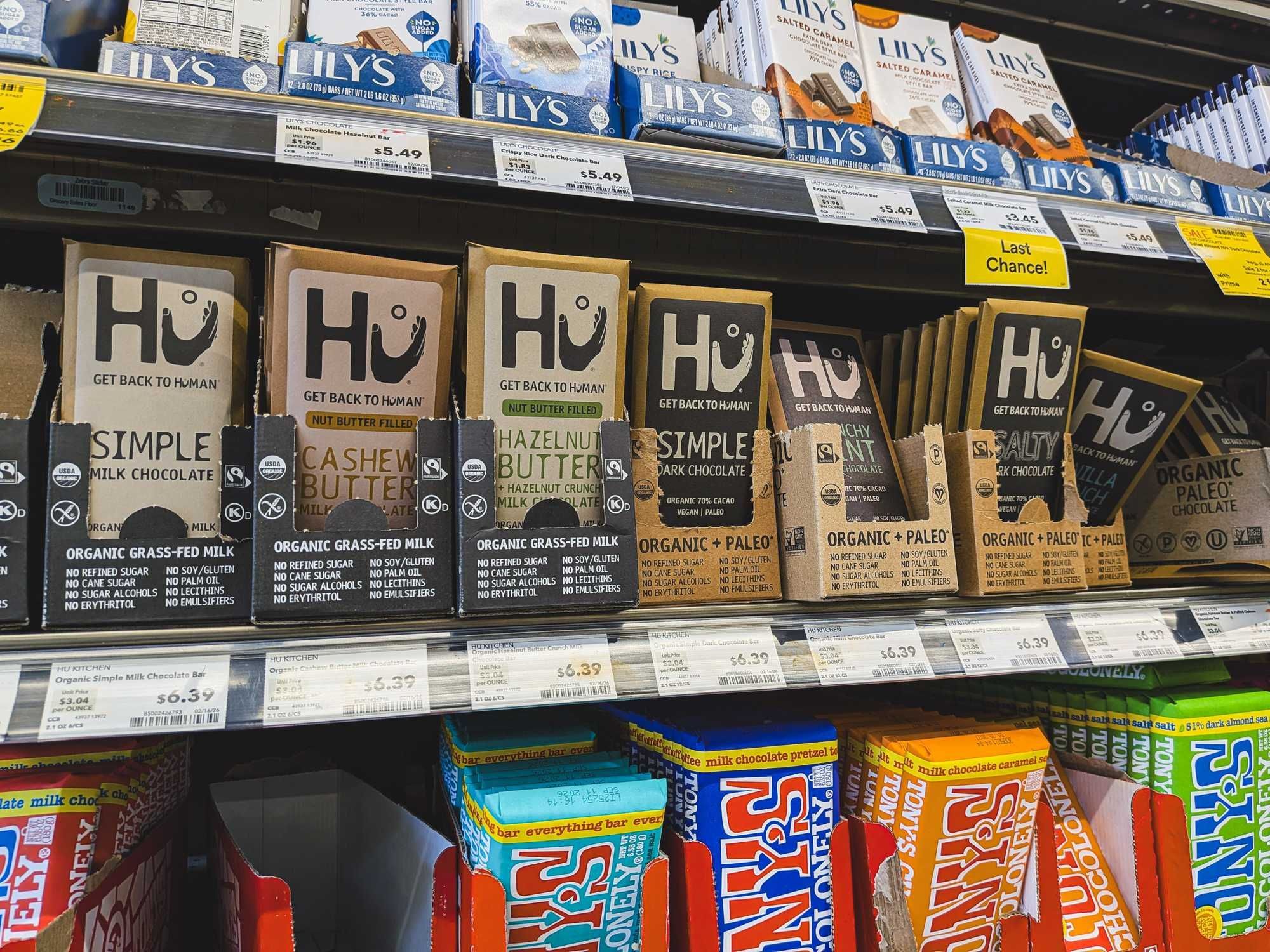
Now for some dessert. First, you should assume from the outset that any candy’s ingredients are questionable at best and harmful at worst. However, there are still some relatively healthy options for those with a sweet tooth. Acquired by Oreo maker Mondelez in January 2021, Hu Chocolate promises to have “no weird ingredients. Ever.” Boasting the USDA Organic certification, Hu says it never uses ingredients like refined sugar, cane sugar, sugar alcohols, erythritol, soy and gluten, palm oil, lecithins, and emulsifiers. Hu was created after its founders couldn’t find any chocolate bars that met their standards. Now its wide variety of milk and dark chocolate bars and bites are available at 34,000 stores nationwide including Whole Foods, Target, Walmart, Kroger, Sprouts, and Amazon.
 Cooper Williamson
You can get a range of Hu Chocolate products at Whole Foods from $7.49/4 oz -$7.99/2.75 oz.
Some tricks to keep in mind
As mentioned earlier, the positive desire for healthier, cleaner food has caused companies to adopt a flood of labels to appeal to the health-conscious consumer.
Unfortunately, not all of these labels mean much at all, yet one could easily mistake the illegitimate labels for the legitimate labels due to their ubiquity and similar appearance.
Consumers could not be blamed for thinking that they are making good choices because of these labels, but they can also be more aware of what the labels mean — and which ones actually signify that they meet regulatory standards.
Thankfully, buried in the depths of the USDA website, these distinctions have been officially made. Here are a couple of sets of labels of which you should know the meaning and for which you should watch out.
'Organic'
Everyone has seen products that prominently feature the word “organic” on the packaging, which most people associate with being a healthier choice. While this may be partially true, the reality is a bit more complicated.
It’s first helpful to know what the term generally means. The USDA defines “organic” as “a labeling term that indicates that the food or other agricultural product has been produced through approved methods.” The approved methods, the USDA definition continues, “integrate cultural, biological, and mechanical practices that foster cycling of resources, promote ecological balance, and conserve biodiversity.” Most importantly — and some may be alarmed to discover that these methods are not necessarily off the table in non-organic foods — “synthetic fertilizers, sewage sludge, irradiation, and genetic engineering may not be used.”
“Organic,” it turns out, is only one of four different labels that a product can have, and the labels actually denote different "tiers" of organic products.
Health-conscious consumers would do well to seek out products that have the USDA Organic seal. This covers the top two tiers of the labeling system, “100 Percent Organic” and “Organic,” the latter of which is any product that contains a minimum of 95 percent organic ingredients.
The bottom two rungs of the “organic” ladder are a bit less transparent. First of all, neither of them are allowed to feature the USDA Organic label, which, for what it’s worth, likely does signal a higher standard of production. The third tier can include “made with organic _____” and list the organic ingredients. The final product at this level must contain at least 70 percent organic ingredients.
The bottom tier can only list specific organic products in the ingredient label on the back of the packaging, meaning it cannot and will not be marketed as an organic product.
As stated before, the health-conscious consumer will become much more accustomed to reading and understanding these labels, which many companies only use as marketing tricks. Don’t take my word for it, though — check out what the USDA has to say about “voluntary labels” on livestock products like meat and eggs.
Voluntary labels
Just as you have almost certainly seen all four tiers of the organic label, you have also probably seen all of the following additional labels for meat and eggs, for example: Free-range, cage-free, natural, grass-fed, pasture-raised, and humane.
This is where they really get you.
As it turns out, most of these labels have some caveats that a consumer at the grocery store is probably not aware of.
Free-range is probably the most meaningful and straightforward term from the above list since it indicates that the flock was provided shelter, food, and water and was allowed continuous access to the outdoors.
Cage-free has similar criteria to free-range, but the animals are not required to be given access to the outdoors; they can roam the enclosed area indoors. Free-range and cage-free can bear the same “USDA grade shield,” according to a USDA infographic showing the differences between 12 distinct egg labels, so it is important to know the difference between them.
Natural generally means that the food was minimally processed and contains no artificial ingredients. “However,” the USDA says, “the natural label does not include any standards regarding farm practices and only applies to processing of meat and egg products.” The USDA explicitly goes on to state that the “natural” label is not regulated at all if the product does not contain meat or eggs. Therefore, watch out for labels boasting about being “natural” — it may not mean anything!
Grass-fed: Here’s where it gets a little convoluted. Grass-fed, which is regulated by the USDA, “does not limit the use of antibiotics, hormones, or pesticides.” This section of the USDA’s page makes an interesting distinction between organic and grass-fed, which can also appear on the label together in some circumstances. The USDA says, “Grass-fed animals receive a majority of their nutrients from grass throughout their life, while organic animals’ pasture diet may be supplemented with grain.”
Finally, there are two labels that you should probably at least treat with suspicion if you see them on your groceries: pasture-raised and humane. Neither of these are regulated by the USDA and are considered to have too many variables to develop a policy. They are therefore the closest thing to a marketing ploy and can safely be treated as such in most cases.
Like Blaze News? Bypass the censors, sign up for our newsletters, and get stories like this direct to your inbox. Sign up here!













 English (US)