.png)
 1 hour ago
3
1 hour ago
3

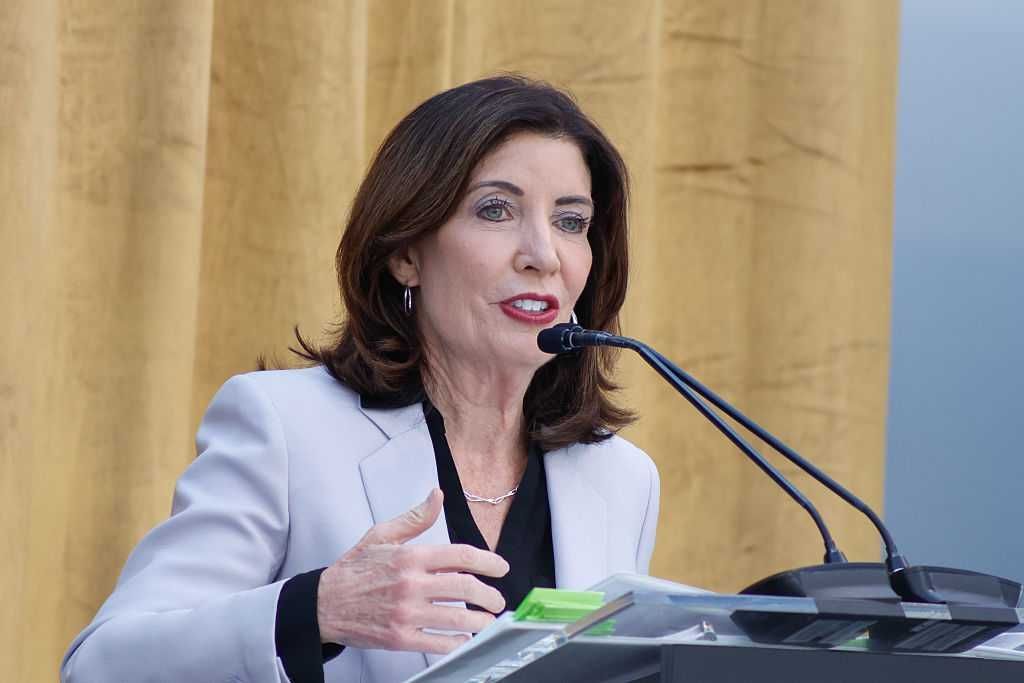
New York Gov. Kathy Hochul (D) is going all in on taxing the rich.
The governor recently proposed a new pied-à-terre tax as a matter of “fairness.” The tax, which would affect nonresident owners of high-end New York City properties, is a surprising reversal in support of a tax proposal by New York City Mayor Zohran Mamdani (D). Hochul had previously rejected the proposal.
While the rhetoric around this tax may resonate politically, the policy itself is a textbook case of how populist tax schemes can undermine investment, distort housing markets, and ultimately leave the city worse off.
Albany’s ingenuity in thinking up new modes of taxation is unparalleled.
"Those who benefit from the city without living in a full-time capacity should contribute to the costs that it takes to run the city: public safety, world-class parks, amenities, the roads, the subway system,” Hochul says in the video.
She continues, "I believe it will protect working New Yorkers and ensure that everyone who has an address in New York City is investing in its continued success."
Hochul may be well attuned to the clamor of politics, but she is tone-deaf to sound economics.
Nonresident owners of New York City real estate already pay taxes — roughly $45,000 to $65,000 on a pied-à-terre with a market value of $5 million — while hardly benefiting from the public services their tax dollars fund. They also pay consumption-based taxes and fees when in New York City.
Nonresidents who own a business in the city also contribute revenue to the city budget.
The pied-à-terre tax has obvious defects in that it is arbitrary, distortionary, and status-dependent. It will likely lead to valuation challenges and maneuvers to keep properties below the $5 million threshold.
Applied only to nonresidents, it would create strong incentives to avoid the tax by altering residency status or otherwise manipulating the property title to obscure de facto property ownership.
For the most expensive real estate, the tax will lower property values — and thus property-tax liability — even though, certainly, “that effect gets distorted when the future tax burden on the property depends on the identity of the purchaser,” notes City Journal.
Taxing these nonresidents into calling New York City home is a poor welcome from the governor. Nevertheless, it suggests that her zeal to tax “New Yorkers,” unlike Mamdani’s, has subsided.
RELATED: Mamdani is moving from one failed promise to another
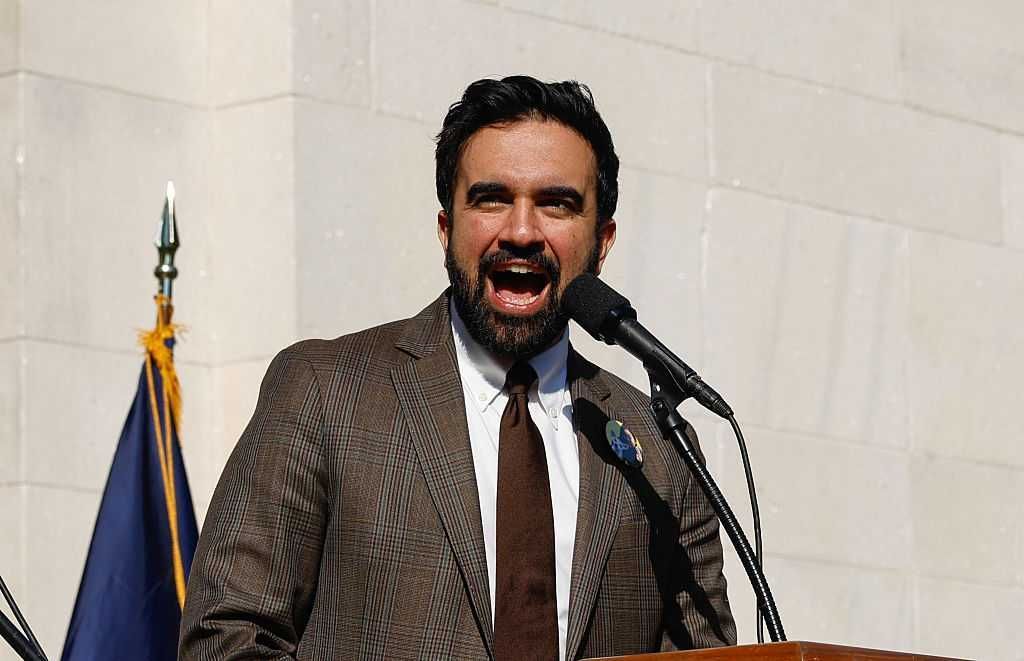 kena betancur/AFP/Getty Images
New York State already has the least competitive tax structure in the nation and the nation’s highest state and local tax collections per capita. From its “tax benefit recapture” provision to taxing many remote nonresidents under its “convenience of the employer” rule, Albany’s ingenuity in thinking up new modes of taxation is unparalleled.
The latest data shows that New York lost $9.9 billion in adjusted gross income (AGI) between 2022 and 2023 — a net loss of taxable income not readily evident from migration trends. Specifically, Manhattan, while gaining tax filers on net, lost $922 million in AGI.
In 2023, the top 1% (about 93,000 people) contributed roughly one-third of state tax revenue, supporting 20 million residents, according to Empire Center. With the nation’s third most progressive state tax system, New York has paved its own road to insolvency by chasing out high-net-worth taxpayers.
Sobered by plain budget facts, Hochul has begun pleading with wealthy New Yorkers to “go down to Palm Beach and see who you can bring back home.” She has opposed Mamdani’s “tax the rich” surtaxes on high-earning city residents and corporations, but not the city’s fiscal indulgence.
New York City spending has grown by more than 50% over the past decade — roughly 12% to 14% after inflation — even as the city’s population has declined slightly. This year, New York City’s spending is about $10 billion higher than that of the entire state of Florida.
Gov. Hochul misunderstands the core problem underlying the city’s fiscal plight. Rhetoric alone will not convince current and former wealthy New Yorkers that the state’s political leadership recognizes they have paid their fair share after all.


 English (US)