.png)
 2 hours ago
9
2 hours ago
9
After weeks in which President Donald Trump has expressed cautious optimism about peace talks with Iran, the United States retaliated against an Iranian downing of an American aircraft, raising questions about the administration’s Iran exit plan and how it will work with Congress going forward.
On Tuesday, the United States struck Iran in retaliation for the downing of an Army Apache helicopter. U.S. Central Command described the “self-defense strikes” as “a proportional response to unjustified Iranian aggression.”
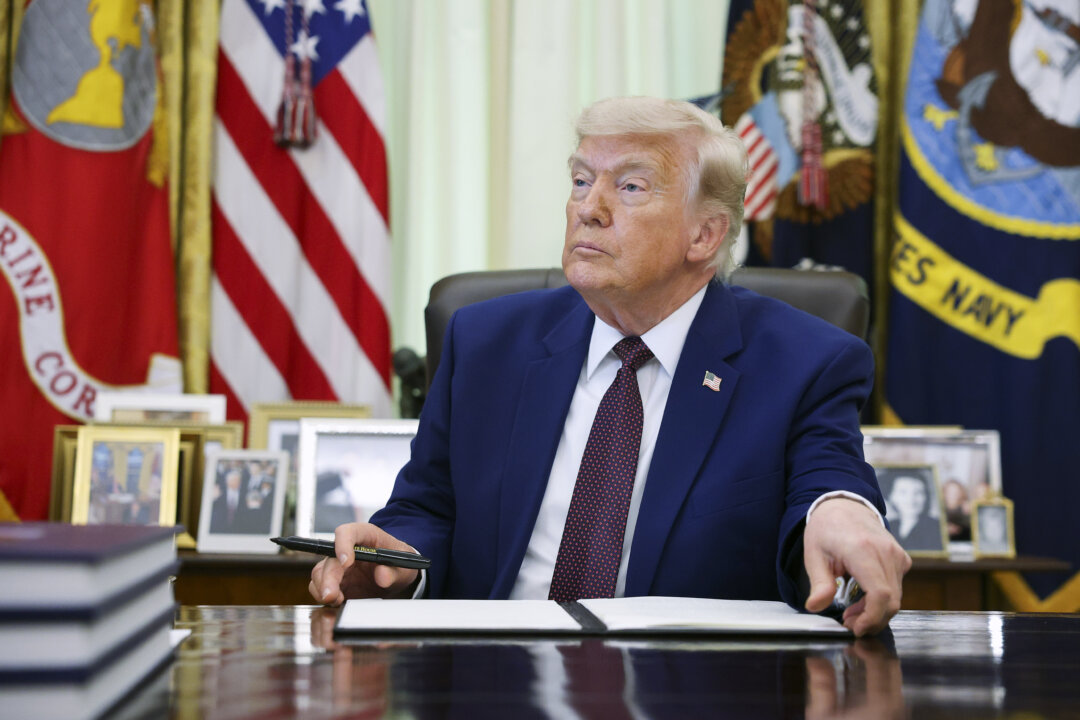
Trump tied the strike into Iran’s hesitancy to accept American peace offers.
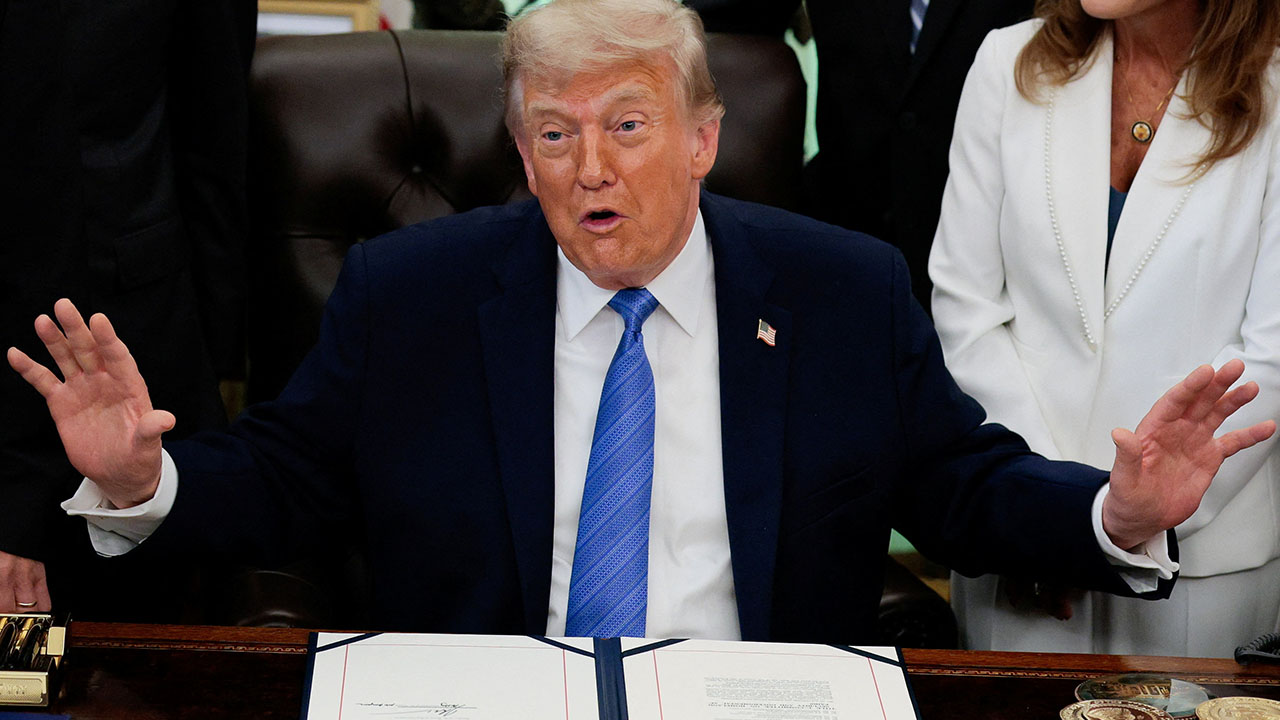
“Iran’s Military is a complete and total mess. Much of it, like their Navy and Air Force, doesn’t even exist anymore – They have been completely defeated. Iran is all talk and no action,” Trump wrote on Truth Social Wednesday morning.
He continued, “The Bully of the Middle East is DEAD!!! They’ve taken too long to negotiate a deal that would have been great for them, now they will have to pay the price!!!”
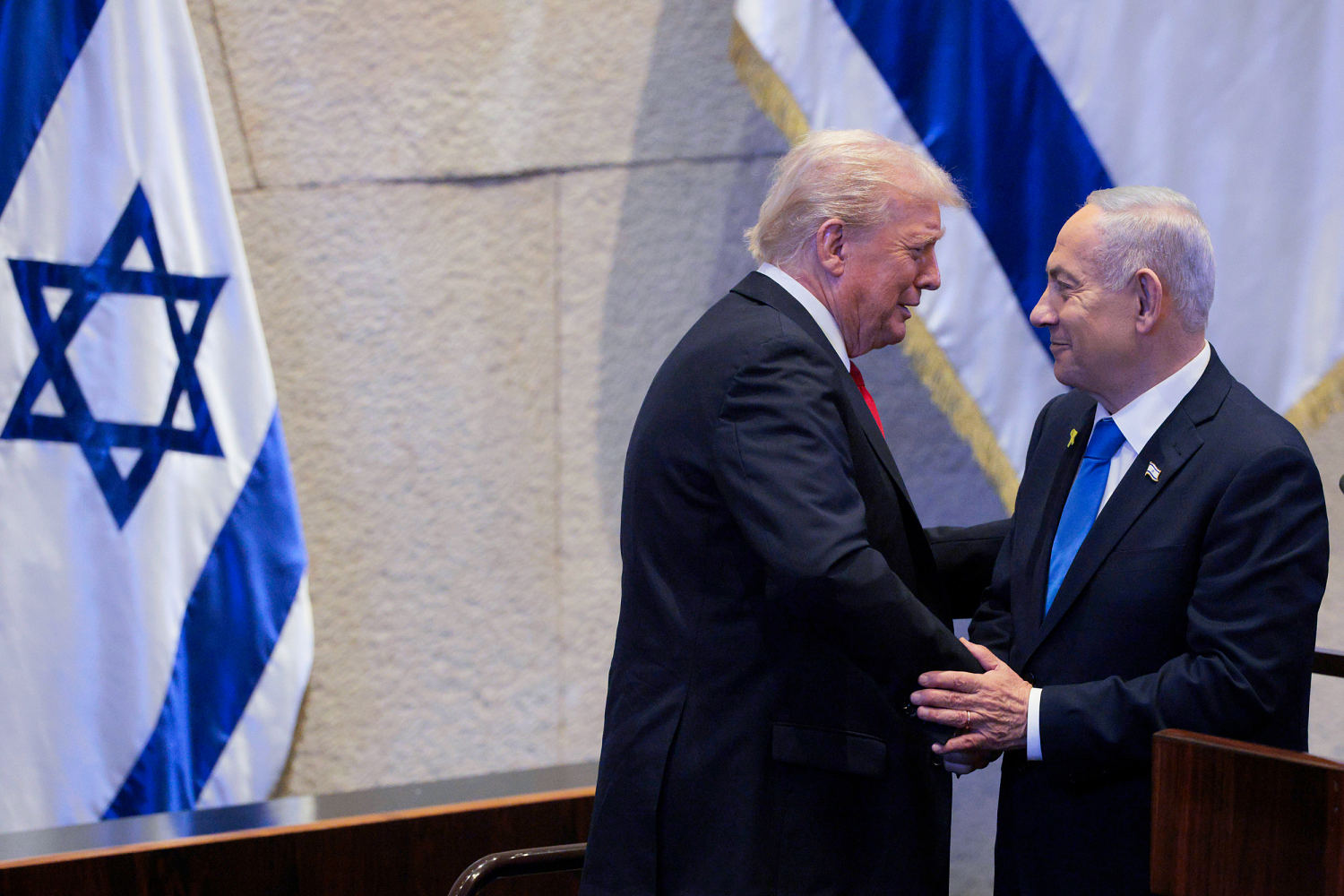
The renewed combat is far from an anomaly in the now months-long ceasefire that has been frequently interrupted by skirmishes between the United States, Israel, Iran, and other actors in the region.
The administration has previously argued that Operation Epic Fury—which started with the initial strikes in February—is over and that the executive branch does not require congressional approval.
Senate Democrats have challenged the legality of continued hostilities, requesting that the president make public the administration’s legal argument that hostilities have terminated.
In June, the House of Representatives passed a resolution likely of only symbolic importance to halt the war in Iran.
The Supreme Court has previously invalidated similar attempts from Congress to unilaterally veto the executive branch’s actions.
For now, most Republicans in Congress appear to be standing by the administration.
Shortly after news of the strikes, Rep. Chip Roy, R-Texas, defended Trump’s actions as being within his constitutional powers.
He added, “At some point, when we’re having our conversations about funding and about long-term… and boots on the ground, Congress must be involved in that conversation.“
Rep. Scott Perry, R-Pa., said of the strikes, “Nobody wants to be at war, but they’re the ones that have declared war on the United States of America. The president wants to end this war, and I support him in doing that.”











 English (US)