.png)
 2 hours ago
4
2 hours ago
4

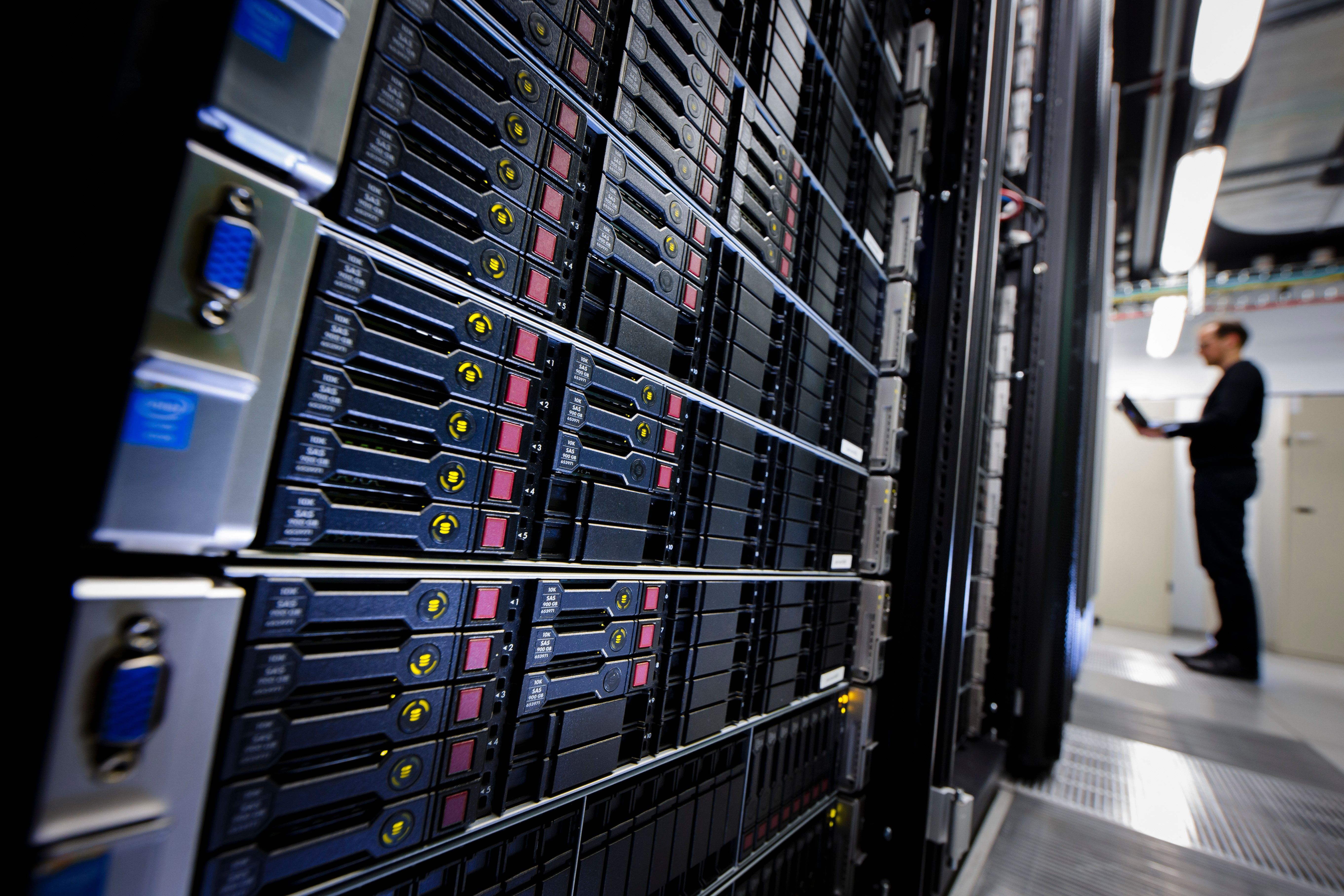
One of the most vital components in consumer electronics just reached a critical low. Big AI data centers are taking up RAM faster than manufacturers can make it, and the cost is getting passed on to consumers. As the shortage takes hold, prices on many popular electronic devices are expected to jump in 2026 by up to 30%, further straining wallets and the U.S. economy.
What is RAM?
Every electronic device you own — your smartphone, tablet, laptop, smartwatch, and even your game console — comes with a tiny brain packed inside. The CPU is the control center that runs processes and commands, launching apps and keeping them awake as you click, type, and interact. The GPU handles heavier tasks, from rendering graphics to managing larger processes and more. Local storage, usually in the form of an SSD or HDD, is akin to long-term memory, holding a complete archive of your files, photos, and everything else you saved on your device over the course of weeks, months, and years. Then there’s RAM.
Big Tech and AI companies are prioritized over regular citizens like you and me.
RAM, or Random Access Memory (sometimes shortened to “memory”), is your computer’s short-term memory. It holds temporary bits of data to keep your open apps running smoothly. RAM is the reason you can switch between several tabs in your web browser without the page reloading, or open a couple Word documents side by side to copy and paste information, or type an email while you also stream your favorite show on BlazeTV.
Some devices come with more RAM installed than others. The more RAM you have, the more apps you can run at the same time (i.e., multitask) without crashes or data loss. As consumer electronics advance, the need for more RAM grows at a steady pace. For example, the very first iPhone from 2007 launched with a measly 128MB of RAM, while the latest iPhone 17 Pro Max packs 12GB of RAM. That’s a huge jump!
A RAM shortage is coming
Consumer electronics aren’t the only devices that need a lot of RAM. Data centers demand tons of it — especially the ones built to train and maintain large language models like ChatGPT by OpenAI, Gemini by Google, and Grok by xAI.
Remember how much RAM comes with the latest iPhone Pro Max? A basic AI model — the type that can run directly on a phone — requires 8-16GB of RAM. That means, depending on the model, even the best iPhone in the world will hit a RAM bottleneck due to its own hardware limitations.
Moving a step up, medium-level AI models require 32GB to 64GB of RAM. In terms of consumer devices, only the most expensive laptops on the market that are worth thousands of dollars can run these models natively. This is why most models at this level run in data centers where information is processed on a server and beamed back to users via the cloud.
At the highest end, advanced AI data centers like the ones being built by Big Tech demand 128GB to 256GB of RAM or more. This kind of RAM is necessary for training large language models, processing data, and creating content for users on the other end. You use about this much RAM every time you send a query to your favorite AI platform, whether it’s a simple question to an answer you could find on the web, a request to create an image for your Christmas card, or a command to write your annual review for work. This is also why AI data centers require so much energy to keep the lights on.
Prices on electronics are going up
Earlier this year, President Trump unveiled an AI Action Plan to build America’s first AI infrastructure. The deal streamlines the permit process to create new AI data centers across the United States. More data centers mean a higher demand for vital computer components. As the plan moves forward, RAM manufacturers are already feeling the pressure.
RELATED: Will this tech company's huge losses sink our economy next?
 Photo by Samuel Boivin/NurPhoto via Getty Images
In early December, Micron, one of the largest makers of RAM products on the planet, announced it was closing its consumer business, Crucial, after 29 years. Its new mission is to create RAM directly for Big Tech AI brands and data centers. The news is a double-edged sword, as the shutdown will both help alleviate some of the demand created by Big Tech while it also eliminates a vital option for consumers who rely on Crucial for their upgradable RAM sticks. Crucial will end all consumer shipments in February 2026.
Days later, popular PC maker Dell sounded the alarm on the upcoming RAM shortage. Due to low availability, the prices of their PCs are expected to jump anywhere between 10% and 30%, effective immediately. The report from Business Insider notes that this is an industry-wide shortage, so you should expect higher prices from brands like Lenovo and HP as well. In an attempt to make up for the shortage, Dell and Lenovo will also reportedly launch cheaper mid-range laptops with lower RAM specs topping out at 8GB, which as we already covered, is quite low for handling the demands of modern smart devices.
Not to be left out, the shortage also extends to mobile devices. In the latest projections by Counterpoint Research, the price of smartphones will inflate by 6.9% in 2026. Although Apple and Samsung are best positioned to endure the RAM shortage, no brand is immune to the price spikes. That said, Chinese OEMs are expected to take the hardest hit.
RAM-ifications of the great memory shortage
All of this is part of a bigger problem facing the American people as Big Tech and AI companies are prioritized over regular citizens like you and me.
For starters, times are still tough for most Americans just trying to get by. Latest reports indicate that job growth is slowing, the unemployment rate is going up, and AI has even led to more lost jobs than it has created. When asked about this phenomenon, Big Tech CEOs like Sundar Pichai of Google claim that “people need to adapt” to get along in the new age of AI. Until that happens, the coming price increase in consumer electronics will force many to skip out on upgrading their devices this year, negatively impacting businesses and the economy as more people hold on to the money they have left.
Another notable strain on the American people directly targets our power grid. AI requires a lot of energy to run and maintain, and without it, Glenn Beck warns that rolling brownouts are on the way. To alleviate the problem, President Trump recently approved the use of nuclear power — something that would’ve been nice to have for us normal people ages ago, but at least it’s a start. Until those nuclear plants are operational, however, our current power grid will continue to buckle under the weight of all the new data centers being built right now, the same ones responsible for the RAM shortage. Simply put, if the nuclear plants are postponed for any reason, or if they’re deactivated if/when Democrats retake power, the American people will be the first to go without in favor of the AI giants and their resource-guzzling LLM machines.
Unfortunately it doesn’t look like this mess is going to end anytime soon. President Trump recently put in a fast-lane for AI development, limiting state laws and reducing federal regulations to make it easier for Big Tech to compete against China in the race for artificial general intelligence. With fewer restrictions, AI companies can continue to strain our power grid, gobble up vital computer components, and push AI onto every facet of our daily lives, whether we want it there or not.












 English (US)